
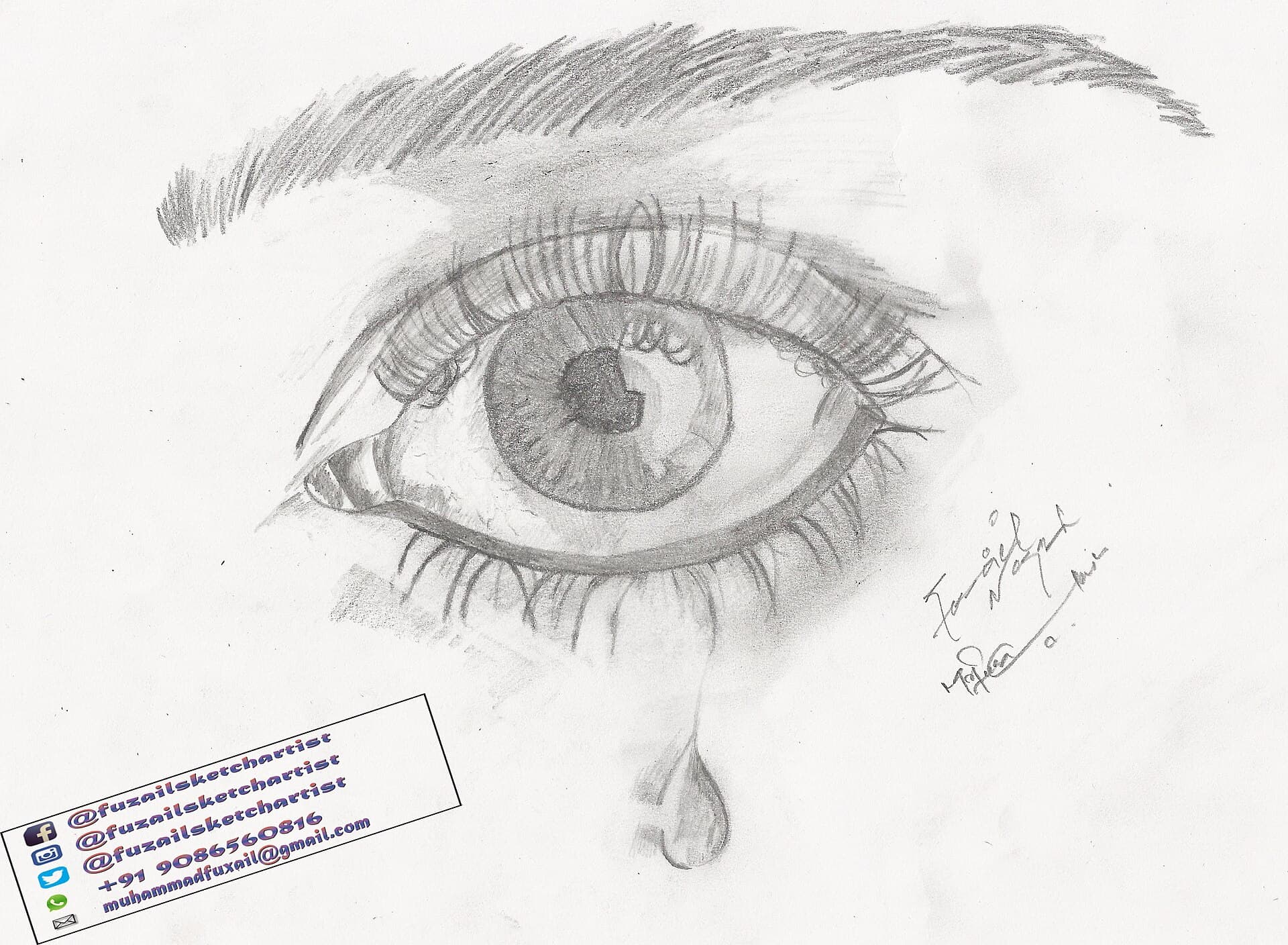
Imagine the scene: you’re walking barefoot, and you stub your toe against a chair leg. Instantly, your eyes water. Later, you find yourself watching a film where a character reunites with a long-lost parent, and again, tears pool in your eyes. On another day, a song from your teenage years plays on the radio, and you’re surprised to feel your eyes welling up once more. Each scenario involves the same physiological mechanism: the lacrimal glands situated above each eye releasing fluid that spills over the lids. However, the triggers—pain, emotional stories, nostalgic music—are astonishingly diverse. The peculiarity lies in the fact that both grief and beauty, frustration and fumes from an onion, can activate this exocrine pathway. Emotional crying, distinct from tears produced by irritation, is a phenomenon effectively unique to Homo sapiens. While some reports suggest elephants and captive great apes may exhibit similar behaviours, the routine, dramatic tears of emotion that are universally human remain unmatched. As of 2026, the precise biological function of this behaviour continues to be an enigma.
What a tear actually is
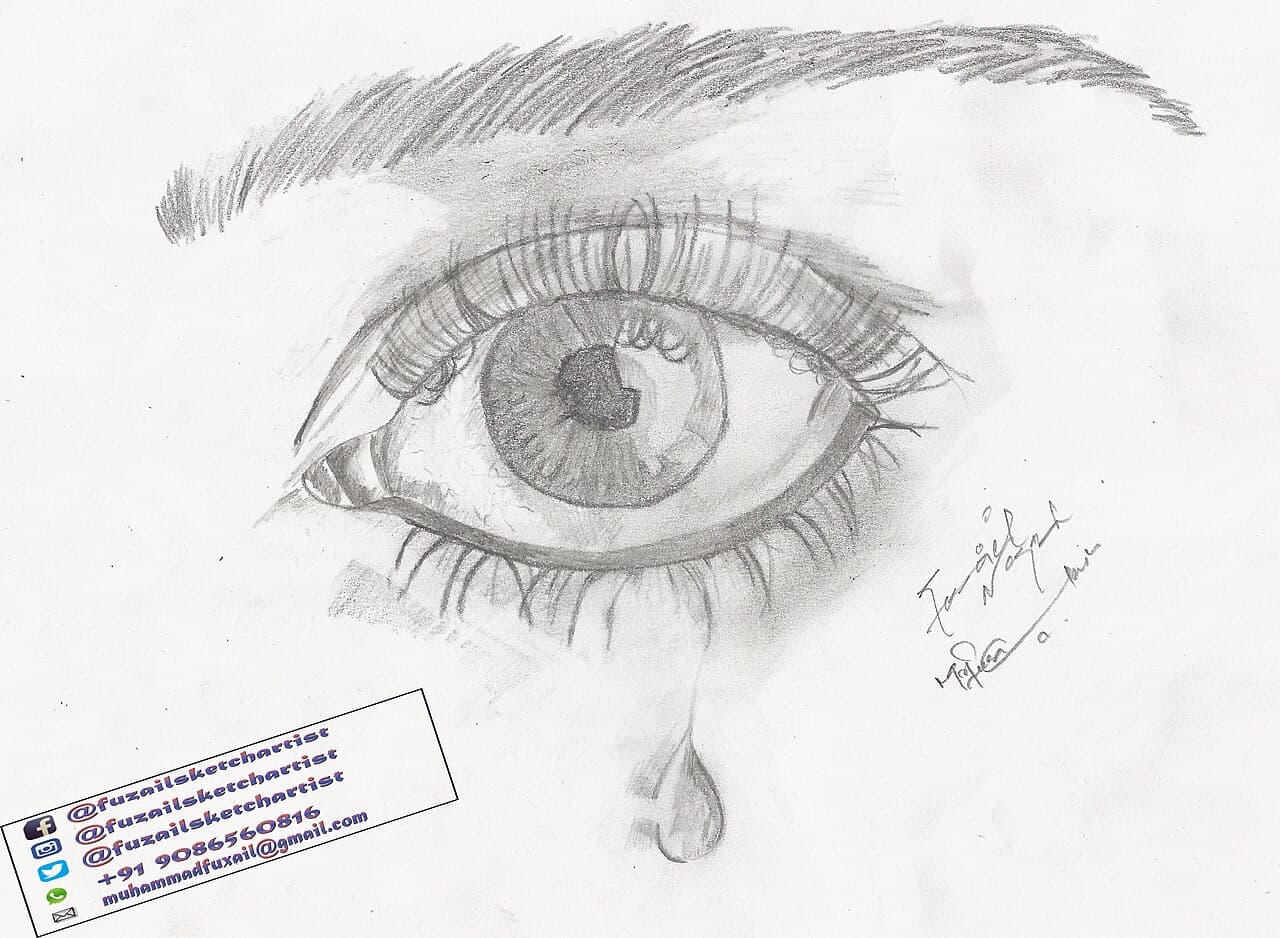
Tears, which may seem simple, are chemically complex and exist in three distinct forms. Basal tears are continuously secreted to keep the cornea lubricated, averaging around one millilitre per day. Reflex tears emerge in response to irritants—be it onion vapours, smoke, or dust—composed primarily of water and dilute salts. Emotional tears, however, are a different beast altogether. These tears, which come with the weight of feeling, are distinguished by their unique chemistry. They contain higher levels of protein, prolactin—a hormone associated with stress—and leucine-enkephalin, an endogenous opioid that plays a role in pain regulation. The foundational chemistry of emotional tears was mapped out by William Frey, a biochemist at the University of Minnesota, in 1981, and his findings have stood the test of time. The intriguing question that arises from Frey’s work is why emotional tears possess a distinct chemical composition, a query that remains at the heart of ongoing scientific debates.
The major hypotheses
The purpose of emotional crying has spurred several compelling hypotheses. The first is the toxin-removal hypothesis, proposed by Frey himself in 1985, which suggests that emotional tears serve to excrete stress-related chemicals from the body, acting as a physiological reset. However, while these tears do contain elevated stress hormones, the debate hinges on whether the small amounts excreted have significant physiological effects. The second hypothesis, forwarded by Ad Vingerhoets at Tilburg University, posits that tears function as a social signal, visibly communicating distress and thus prompting supportive behaviours from others. This hypothesis presents tears as a kind of involuntary truth-telling about one's emotional state. A third perspective is the appeasement hypothesis, which argues that tears, by temporarily compromising vision, signal non-aggression and help defuse potential conflicts. Finally, the bonding hypothesis suggests that shared crying strengthens social connections by synchronising emotional states within a group. No single hypothesis has been universally accepted, and the prevailing view is that emotional crying likely serves multiple functions simultaneously, with their relative importance varying by context.
Cross-cultural patterns
Ad Vingerhoets and his colleagues have extensively studied crying behaviours across cultures, revealing consistent patterns. As documented in 'Adult Crying: A Biopsychosocial Approach' (2013), women cry more frequently than men in every culture examined, with women averaging about 30-64 crying episodes per year compared to men's 6-17. The frequency of crying rises significantly during puberty, with the gender gap becoming apparent around ages 12-13. Additionally, people in urban areas tend to cry less than those in rural settings, and wealthier nations report higher crying frequencies, potentially because crying is more socially acceptable in these societies. Common triggers for crying, universally, include loss, conflict, and witnessing suffering. While the act of crying itself remains constant, cultural variations lie in its social acceptability. Suppressing the urge to cry can have physiological repercussions, such as increased cortisol levels and prolonged sympathetic nervous system activation, indicating that the human body 'expects' to cry under certain emotional pressures and incurs a cost when this expectation is unmet.
When crying starts and stops
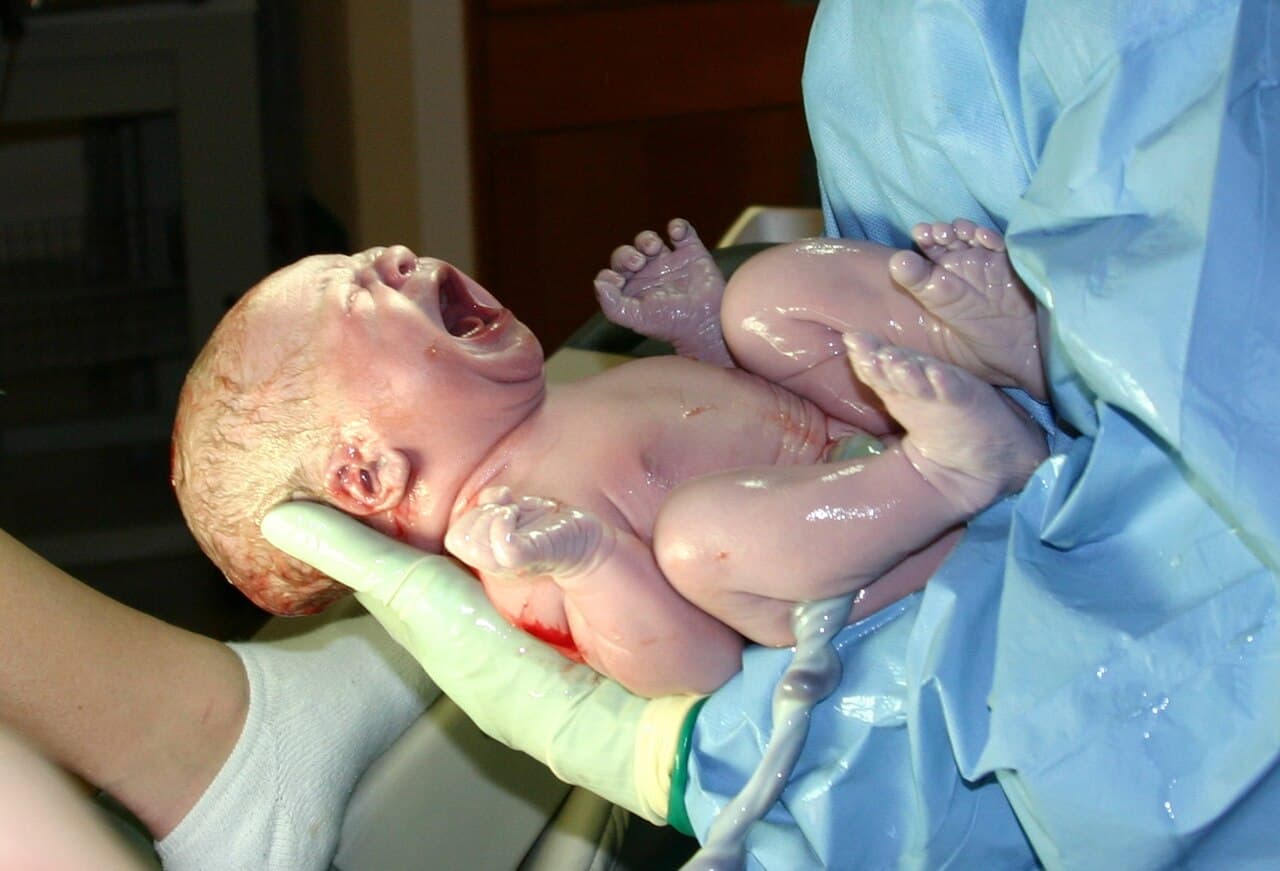
Crying begins at birth, but initial tears are reflexive, lacking emotional content. Notably, newborns' lacrimal glands do not produce significant fluid until they are between four and thirteen weeks old. Tearful emotional crying typically starts around two to three months of age. Toddlers frequently cry for both physical and emotional reasons, but as individuals mature, the frequency of crying declines. In Western populations, adult women cry several times a month, while men do so several times a year. As people reach older age, crying frequency diminishes further for both sexes. Interestingly, a minority of adults—approximately 10% in most studies—report they do not cry at all, a variation that appears to lack a clear psychological or personality pattern. Frequent criers often score lower on measures of alexithymia, indicating greater emotional awareness, and higher on trait empathy scales, suggesting a stronger capacity to understand and share the feelings of others.
Crying and the brain
Studying the neuroscience of crying is inherently challenging, largely because it requires subjects to be in an fMRI scanner, motionless, while experiencing genuine sadness. Nevertheless, researchers have identified several brain regions activated during crying episodes. These include the anterior cingulate cortex, associated with monitoring pain and conflict, the insula, which is involved in interoception or the perception of bodily states, the periaqueductal gray in the brainstem, crucial for emotional regulation, and the prefrontal cortex, which may contribute to the initiation or suppression of crying. The act of producing tears specifically, independent of the emotional state, involves a neural circuit connecting the hypothalamus and the brainstem nuclei that control the lacrimal glands. Although adults can often suppress tears through effort, the emotional trigger remains involuntary, leading to the familiar sensation of tears emerging unbidden.
What the social signal does
An intriguing study conducted in 2011 by Shani Gelstein and colleagues at the Weizmann Institute explored the subliminal effects of emotional tears. They found that when male subjects sniffed tears collected from women, their testosterone levels and physiological arousal in response to female faces decreased. Importantly, the men were unaware of any scent, suggesting that the chemical properties of tears exert an unconscious influence. Although subsequent attempts to replicate these findings have met with mixed results and the size of the effect is debated, the recognition of a chemosignal in tears is now broadly accepted in the emotion-research community. This discovery adds complexity to the understanding of emotional tears, suggesting they operate through both visual (social-signalling) and chemical (pheromonal) channels. The chemical pathway is an unexpected aspect that the traditional hypotheses on crying did not anticipate.
In contemplating what the phenomenon of crying truly represents, one must consider its unique position at the junction of involuntary biological function and culturally shaped behaviour. Unlike speech, crying is not governed by cognitive control, yet it is influenced by cultural norms in a way that physiological responses like heart rate are not. It carries with it a wealth of chemical, social, and physiological information, potentially serving multiple roles simultaneously. What remains evident is that crying is intimately tied to experiences of significance. The average person will cry about a thousand times over their lifetime, during moments marked by grief, rage, joy, hopelessness, awe, and unexpected acts of kindness. These moments, filled with meaning, reflect the essence of what matters to us. Whatever its purpose, crying is the body's response when faced with emotions too potent to contain.
References
- Frey, W. H. (1985). Crying: The Mystery of Tears. Winston Press.
- Vingerhoets, A. J. J. M. (2013). Why Only Humans Weep: Unravelling the Mysteries of Tears. Oxford University Press.
- Gelstein, S., et al. (2011). Human Tears Contain a Chemosignal. Science, 331(6014), 226–230.
- Rottenberg, J., Bylsma, L. M., & Vingerhoets, A. J. J. M. (2008). Is crying beneficial? Current Directions in Psychological Science, 17(6), 400–404.