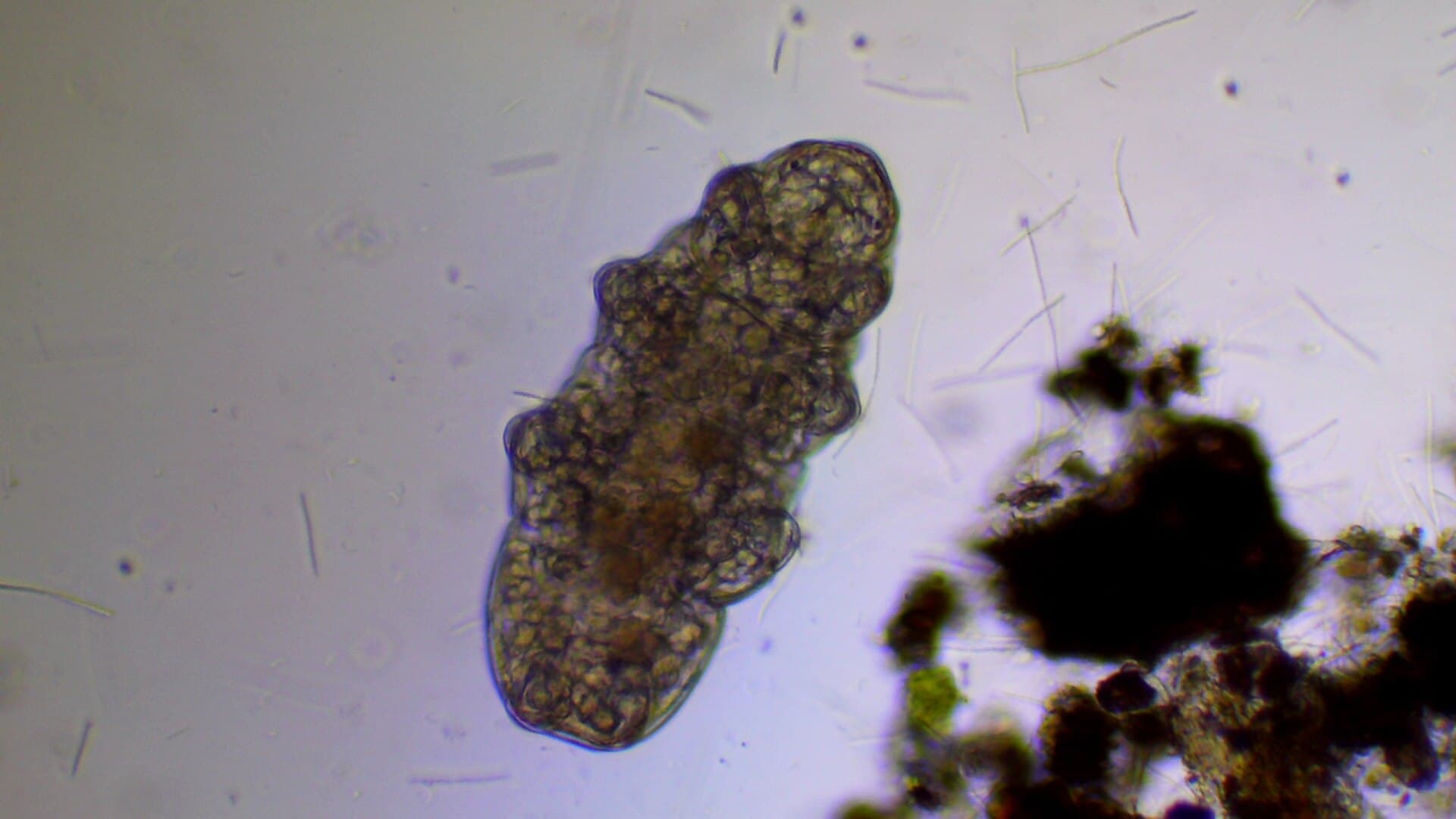
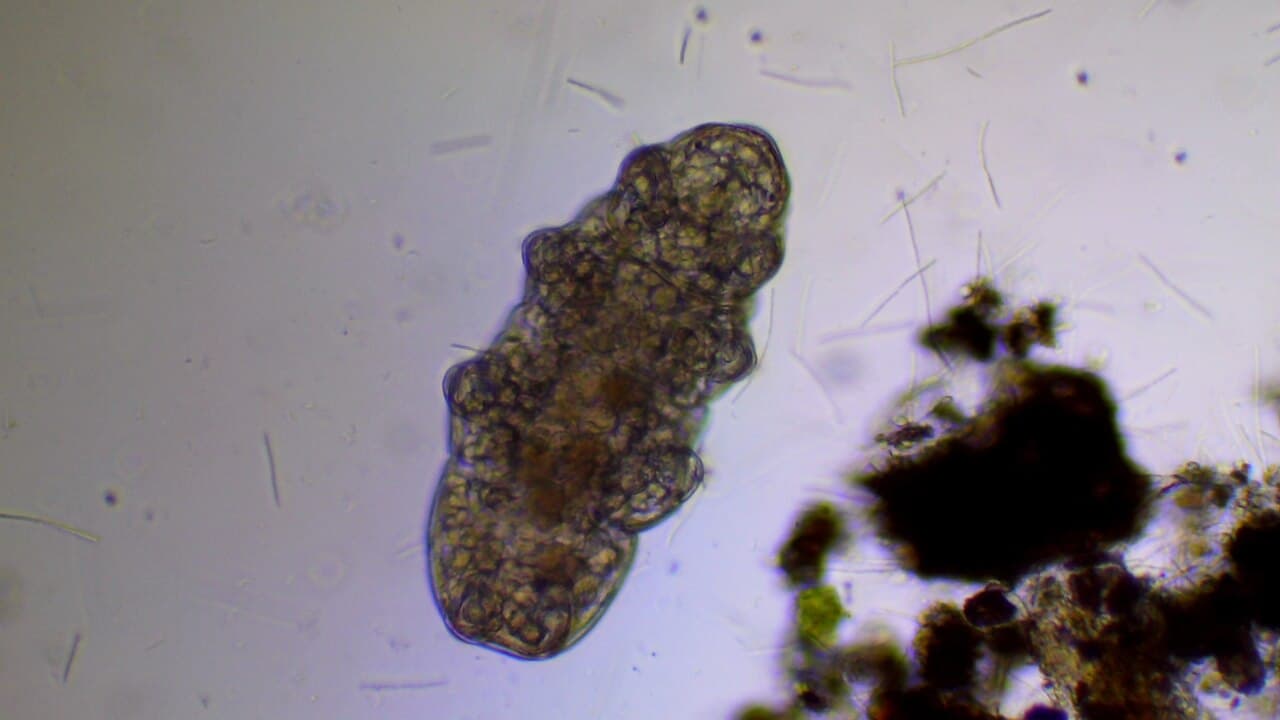
In 1773, a German pastor named Johann August Ephraim Goeze first described a creature so diminutive that it barely registers on the human eye—yet it possesses an impressive suite of survival mechanisms that have intrigued scientists for centuries. Goeze named these minuscule organisms 'Kleiner Wasserbär', or 'little water bear', due to their chubby, bear-like appearance when viewed under a microscope. Today, we know them as tardigrades, a name derived from the formal phylum Tardigrada, meaning 'slow-walker'. Ranging from 0.1 to 1.5 millimetres in length, these eight-legged, segmented creatures inhabit almost every moist environment on Earth, from the leaf litter of forests to the depths of the oceans. There are about 1,300 known species, though the true diversity is likely much greater. Despite their minute size, tardigrades have captured the imagination and interest of scientists due to their extraordinary resilience, which extends far beyond that of most other organisms.
Cryptobiosis: how they survive what they survive
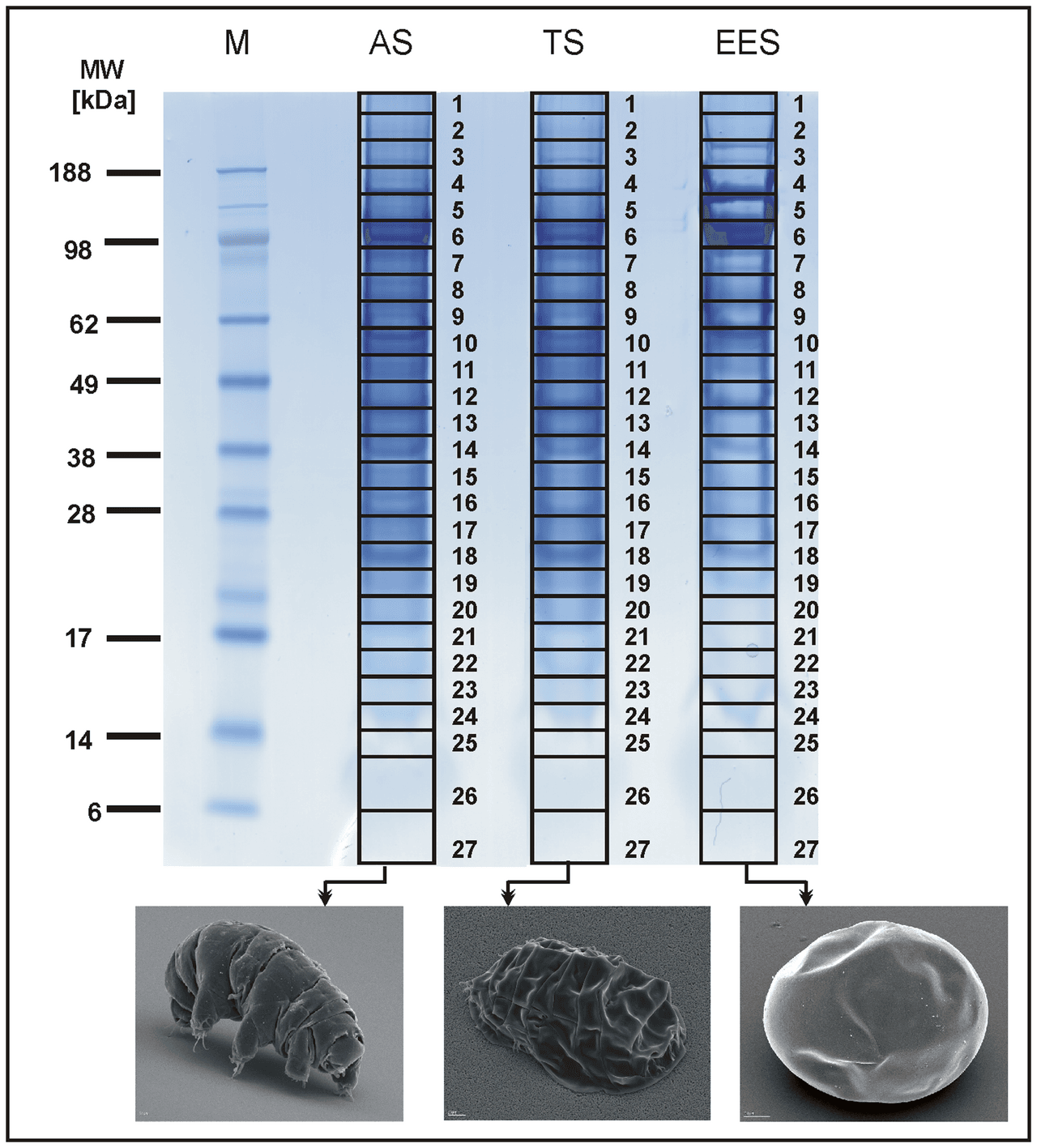
Tardigrades possess a remarkable ability to survive extreme conditions that would be lethal to most life forms. However, in their normal active state, they are vulnerable to the same environmental threats as any other small animal: desiccation, freezing, vacuum, and radiation. Their survival under these harsh conditions is made possible by entering a state known as cryptobiosis. When faced with desiccation, this process takes the form of anhydrobiosis, where their bodies dehydrate and contract into a tun—a barrel-shaped form that renders them immobile and seemingly lifeless.
During cryptobiosis, the tardigrade's metabolism drops to undetectable levels, and its water content falls below 3 percent of normal. In this state, they are neither alive nor dead in the conventional sense; they do not breathe, grow, or reproduce. Nonetheless, they retain the capacity to return to life, so to speak, upon rehydration. This extraordinary ability was demonstrated by a tardigrade that revived after being frozen in Antarctic moss for over 30 years, as documented by Tsujimoto et al. in 2015. Despite the decades-long freeze, the tardigrade not only revived but also produced viable offspring, showcasing the resilience and longevity of the tun state.
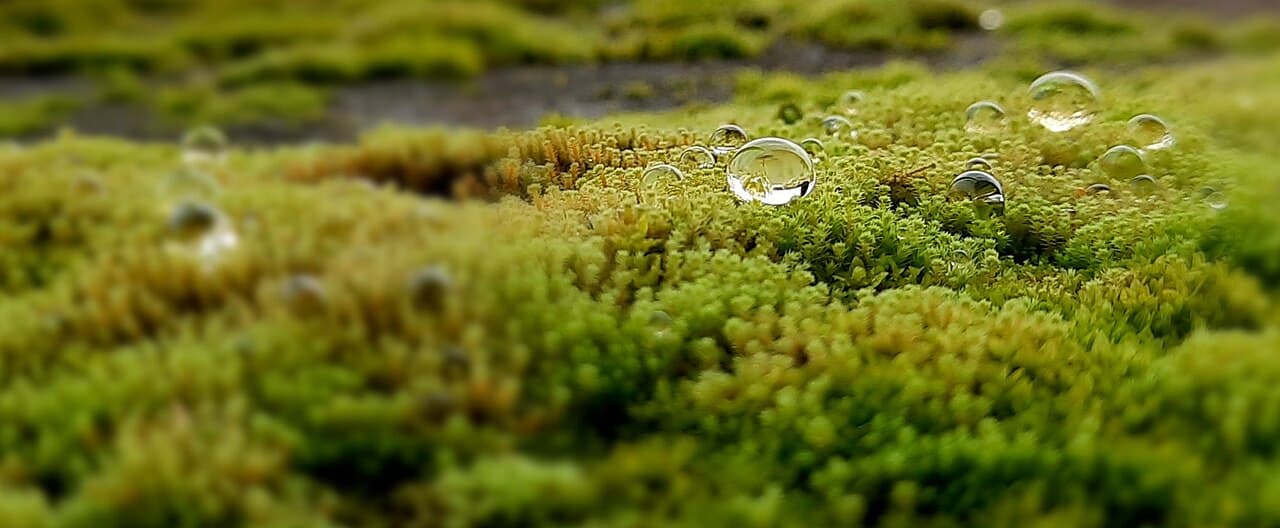
What protects them in the tun state
Tardigrades owe their remarkable survival capabilities in the tun state to a trio of mechanisms that have been the focus of scientific research. The first of these involves tardigrade-specific intrinsically disordered proteins, or TDPs, which include families such as CAHS, SAHS, and MAHS. These proteins form glass-like matrices within cells, effectively immobilising cellular components and preventing damage that could be caused by desiccation. This matrix formation is critical, as it safeguards the structural integrity of the cell during extreme dehydration.
In addition to TDPs, some species of tardigrades accumulate a sugar called trehalose, which plays a protective role by replacing water in lipid-bilayer interactions of cell membranes. This substitution helps maintain membrane stability in the absence of water. Moreover, a protein known as Dsup (damage suppressor) has been identified as a major player in protecting tardigrade DNA from radiation-induced damage. Dsup binds to DNA and significantly reduces the occurrence of double-strand breaks, making tardigrades remarkably radiation-resistant. Remarkably, research published in Nature Communications in 2016 showed that transferring the Dsup protein to human cells in culture increased their radiation resistance by approximately 40 percent, highlighting its potential for broader applications.
What they can actually survive
The survival statistics of tardigrades are as impressive as they are precise. These tiny creatures can withstand temperatures ranging from near absolute zero at −272 °C to about +150 °C, albeit only for short durations. In terms of pressure, they can survive from the vacuum of space to an astonishing 1,200 megapascals, which is about 6,000 times the pressure at sea level. Their resilience extends to radiation as well, withstanding doses up to 5,000 grays (Gy), while a dose as low as 5 Gy can be lethal to humans.
Tardigrades have been directly tested in space conditions. The European Space Agency's FOTON-M3 mission in 2007 subjected tardigrades to the vacuum of space and solar ultraviolet radiation for ten days. As reported by Jönsson et al. in Current Biology, while most tardigrades survived the vacuum exposure, their survival rates dropped significantly when exposed to both vacuum and UV radiation. Nonetheless, some tardigrades did endure both conditions, attesting to their resilience. In 2019, the crash of the Beresheet lunar lander on the Moon carried tardigrades, raising the possibility that some might still be viable on the lunar surface, though this remains speculative.
What they cannot do
Despite their formidable resilience, tardigrades are not impervious to harm. They can endure extreme temperatures and pressures only for limited periods; extended exposure results in death. In their active state, tardigrades cannot survive harsh conditions and must enter the tun state for protection. Additionally, contrary to popular belief, they cannot survive indefinitely at the temperature of a boiling pot. They are part of the food web and are preyed upon by various small animals such as nematodes, mites, and even larger tardigrades.
Populations of tardigrades also experience regular crashes, reminding us that their evolutionary success is not merely a product of invulnerability but also of their remarkable capacity to recover and disperse when conditions improve. Their survival is contingent upon their ability to exploit favourable conditions for recovery, rather than a blanket resistance to all environmental threats.
Why this matters scientifically
The study of tardigrades holds significant scientific interest for several reasons. Firstly, the molecular mechanisms underpinning tardigrade cryptobiosis offer potential applications in the preservation of biological materials. For instance, trehalose-based formulations are already utilised in some pharmaceuticals to ensure stability at room temperature, reducing the reliance on refrigeration. This could revolutionise the storage of vaccines, blood, and organs, making them more accessible globally.
Secondly, the Dsup protein provides a model for understanding radiation damage to DNA, with promising implications for cancer therapy and space exploration. The ability to enhance human cells' resistance to radiation through Dsup has opened new avenues in biotechnology. Lastly, the tardigrade's ability to survive in a vacuum supports the lithopanspermia hypothesis, which posits that life could be transferred between planets via impact ejecta. Tardigrades exemplify a biological foundation that renders this idea more plausible than it once was.
Tardigrades are not the 'toughest animal' in an invincible sense. They are simply extraordinary in their dormancy mechanisms, adapting to survive when circumstances turn dire. In their active state, these creatures are unremarkable—small, sluggish, and confined to moist environments. What makes them fascinating is their ability to withstand conditions that defy the odds and how they manage recovery afterward. This ability mirrors, albeit in a less dramatic fashion, many organisms' strategies for survival and resilience. Tardigrades represent the extreme end of a biological continuum rather than standing apart as a unique phenomenon.
References
- Jönsson, K. I., et al. (2008). Tardigrades survive exposure to space in low Earth orbit. Current Biology, 18(17), R729–R731.
- Tsujimoto, M., Imura, S., & Kanda, H. (2016). Recovery and reproduction of an Antarctic tardigrade retrieved from a moss sample frozen for over 30 years. Cryobiology, 72(1), 78–81.
- Hashimoto, T., et al. (2016). Extremotolerant tardigrade genome and improved radiotolerance of human cultured cells by tardigrade-unique protein. Nature Communications, 7, 12808.
- Boothby, T. C., et al. (2017). Tardigrades use intrinsically disordered proteins to survive desiccation. Molecular Cell, 65(6), 975–984.