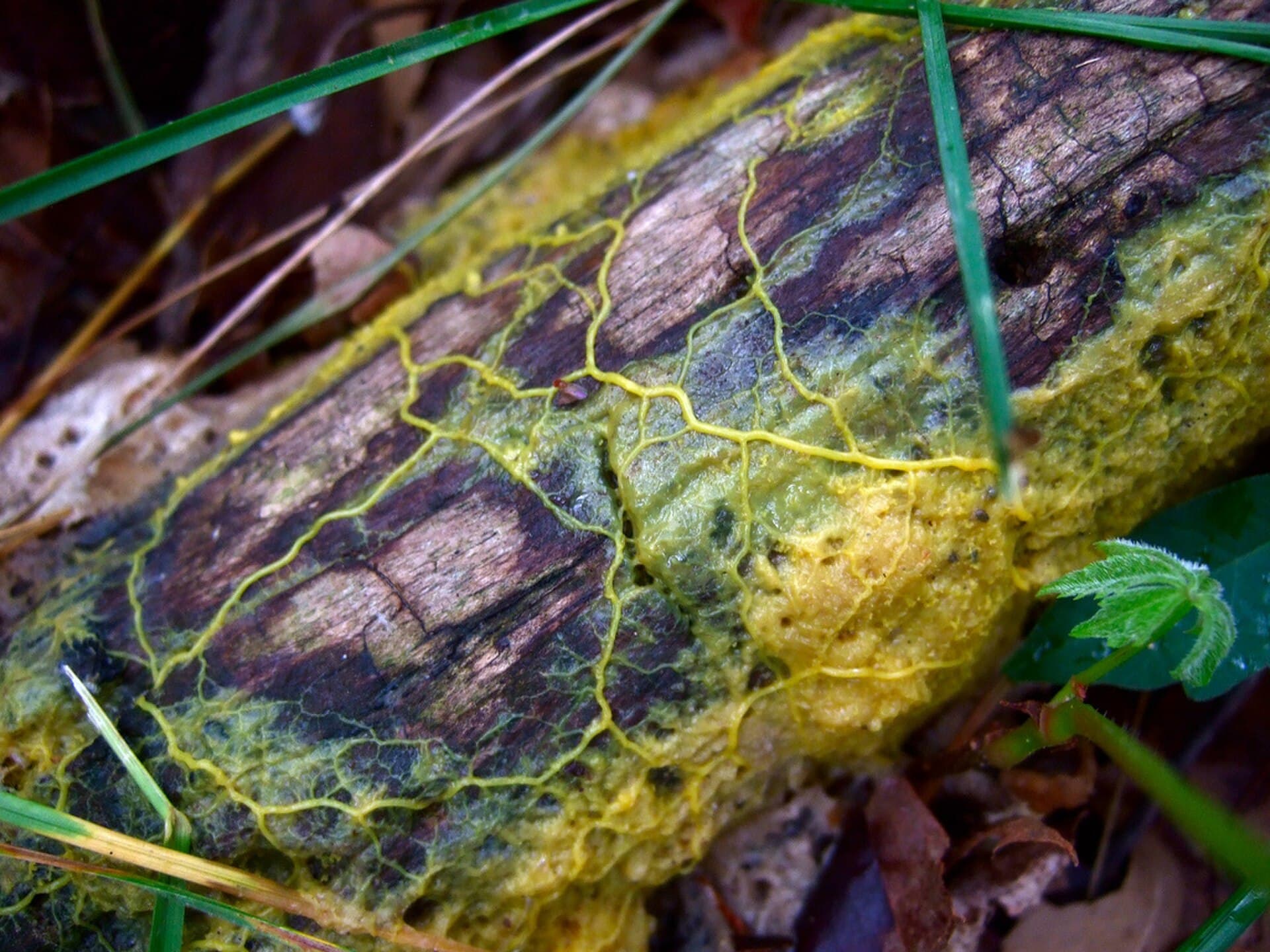
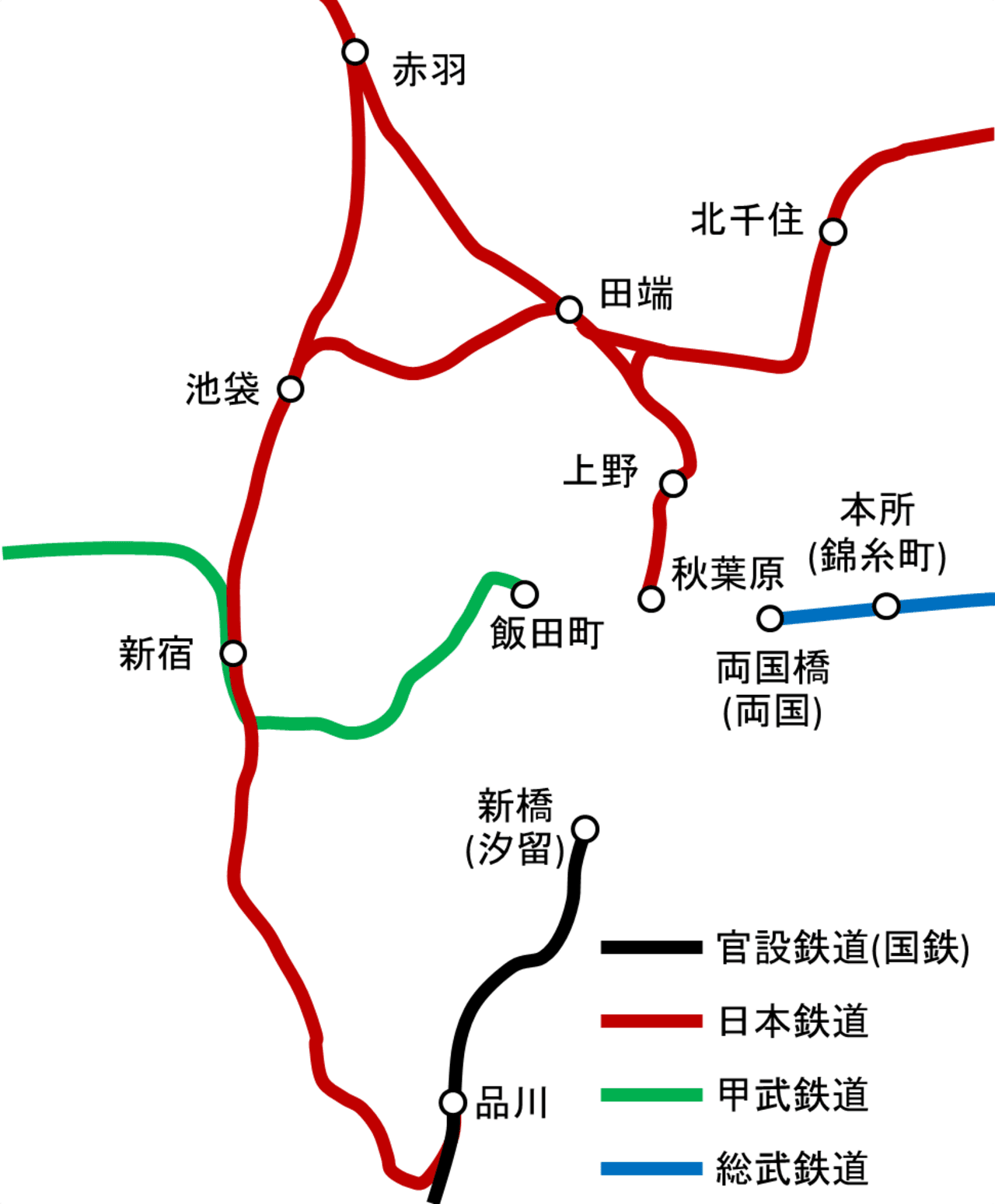
In 2010, Atsushi Tero and his colleagues conducted a remarkable experiment that would capture the imagination of scientists and the public alike. They took a humble organism, Physarum polycephalum, and presented it with a unique challenge: reconstruct the complex rail network of Greater Tokyo. The experimental setup was ingeniously simple yet profound in its implications. On a damp surface, they placed oat flakes at locations corresponding to Tokyo's major railway stations. A small piece of the slime mold was inoculated near central Tokyo, and over the course of 26 hours, the organism spread out, forming a network of thick tubes that connected the oat flakes in a manner that was strikingly similar to the actual Tokyo rail map. This experiment, later detailed in a paper published in Science, demonstrated that the network created by the slime mold was, by standard measures of efficiency and robustness, comparable to the one that human engineers had painstakingly designed over decades.
What Physarum is
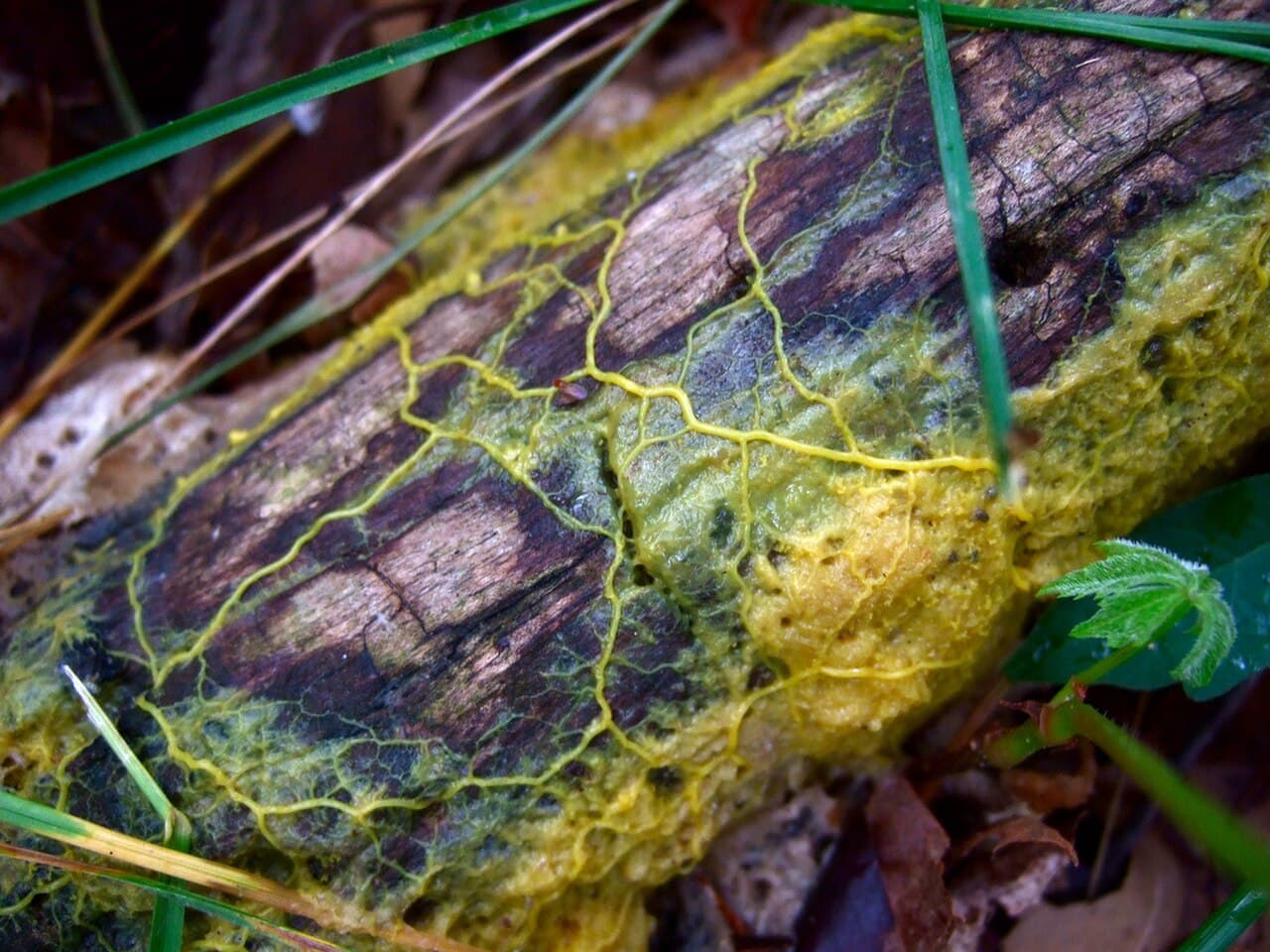
Physarum polycephalum is not your everyday organism. It belongs to the group Amoebozoa, which sets it apart from fungi and true molds, with which it is often confused. This single-celled organism, however, displays a complexity that belies its simplicity. The body of Physarum is a plasmodium, essentially a large single cell filled with multiple nuclei, capable of covering several square centimetres. What is remarkable about this organism is its ability to form intricate networks of tubes that facilitate the flow of cytoplasm when it detects nearby food sources such as oat flakes, a favourite of Physarum. As the organism traverses its environment, these tubes are reinforced if they efficiently transport nutrients, while those that do not are allowed to wither away. The lack of a nervous system or brain does not hinder its ability to navigate the spatial configuration of food sources effectively.
The absence of neurons or a centralised processing unit in Physarum polycephalum highlights a fascinating aspect of biological systems: the ability to perform tasks typically associated with intelligence without possessing a traditional nervous system. This organism operates through a decentralized process, where chemical and mechanical signals guide its growth and movement. Its behaviour is dictated by simple rules: growth towards food and retraction from unproductive areas. Despite its lack of cognitive faculties, Physarum polycephalum is an impressive problem-solver in its own right, demonstrating a form of intelligence that is radically different from what we typically recognise as such.
How it 'solves' a problem

The process by which Physarum polycephalum constructs its network is a testament to the power of simple rules yielding complex outcomes. The network formation is governed by a mechanical and chemical process rather than cognitive function. As the organism spreads, tubes that facilitate greater cytoplasmic flow are reinforced through a feedback mechanism. This positive feedback loop ensures that pathways which prove advantageous are strengthened, while those that are less effective are gradually phased out. This self-optimising behaviour allows the slime mold to arrive at configurations that are efficient and robust, effectively mirroring the structures designed by human engineers for similar purposes.
In their seminal 2007 work, Tero and colleagues formalised this dynamic process, demonstrating how the physical principles governing the slime mold's growth could be applied to the geometry of Tokyo's rail system. When left to its devices, Physarum naturally arranges itself into networks that minimise total tube length while maintaining alternate paths, thus ensuring robustness. This emergent property is not the result of computation in the human sense but rather an optimization born from the physical interaction of biological materials. It is a process of natural selection played out at the cellular level, where the most efficient routes are favoured and preserved.
Why this is interesting
The intrigue of Physarum polycephalum's problem-solving abilities lies in its implications for computational challenges that are notoriously difficult. Problems such as the travelling salesman problem, Steiner trees, and minimum spanning trees are well-known for their complexity in computational theory. The slime mold, however, does not 'solve' these problems through calculation; instead, it arrives at solutions through the physical dynamics of tube formation and resource optimisation. The organism's ability to explore configurations and naturally settle on efficient ones provides insights into alternative methods of problem-solving.
Moreover, the principles observed in Physarum's growth are not exclusive to slime molds. Similar dynamics can be observed in a variety of natural systems, such as the networks of blood vessels in animals, the branching patterns of river basins, and even the venation of leaves. These systems all exhibit a form of network optimisation that reflects a natural tendency towards efficiency and resilience. Physarum polycephalum serves as a biological model, illustrating how simple rules can lead to the emergence of complex, optimised structures without the need for cognitive processing.
The boundary of the analogy
The discovery that a slime mold can approximate the design of human-engineered systems has led to a flurry of comparisons and claims, some of which venture into the territory of hyperbole. There have been reports of slime molds 'solving' mazes, optimising foraging routes, and even mimicking the layout of Roman roads or the US interstate system. While some of these experiments are well-controlled and demonstrate genuine insights into the organism's capabilities, others are media-fuelled exaggerations that conflate physical optimisation with intelligence.
It is crucial to delineate the distinction between optimisation through physical processes and intelligence. Slime molds like Physarum polycephalum are not intelligent in the cognitive sense—they do not think or plan. Instead, they embody an alternative pathway to problem-solving, where physical and chemical interactions drive the organism towards optimal configurations. This understanding prompts a reevaluation of how intelligence and optimisation are perceived, recognising that nature employs a range of mechanisms, not all of which align with human notions of thinking.
What working scientists actually do with Physarum
The practical applications of Physarum polycephalum's unique abilities extend beyond simple curiosity. Researchers continue to explore its potential in validating biological network models that previously lacked a testable physical analogue. The organism serves as a source of inspiration for distributed-computing algorithms, giving rise to the so-called 'physarum solver', a method used in computational geometry to find efficient network designs. These insights are valuable in fields ranging from computer science to biological modelling.
Particularly notable is the work of Andrew Adamatzky at UWE Bristol, who has been instrumental in advancing research on Physarum-based computing. His contributions have been pivotal in exploring how the organism's properties can be harnessed in the design of novel computational systems. Beyond computing, studies of Physarum provide insight into cellular decision-making and signal integration in the absence of a nervous system, offering a window into primitive forms of biological processing.
The achievement of Physarum polycephalum is not that it possesses intelligence akin to humans but rather that it challenges our understanding of intelligent behaviour itself. The slime mold illustrates that the world is replete with systems that achieve optimal configurations through means other than thought. Intelligence, as traditionally defined, is but one pathway to adaptation and success; physical processes represent another. The slime mold's contribution is a reminder that our categories—intelligence and optimisation—are constructs superimposed on a world that has been solving its own set of problems for millennia, often through mechanisms we are only beginning to understand.
References
- Tero, A., Takagi, S., Saigusa, T., Ito, K., Bebber, D. P., Fricker, M. D., Yumiki, K., Kobayashi, R., & Nakagaki, T. (2010). Rules for biologically inspired adaptive network design. Science, 327(5964), 439–442.
- Nakagaki, T., Yamada, H., & Tóth, Á. (2000). Maze-solving by an amoeboid organism. Nature, 407, 470.
- Adamatzky, A. (2016). Advances in Physarum Machines: Sensing and Computing with Slime Mould. Springer.