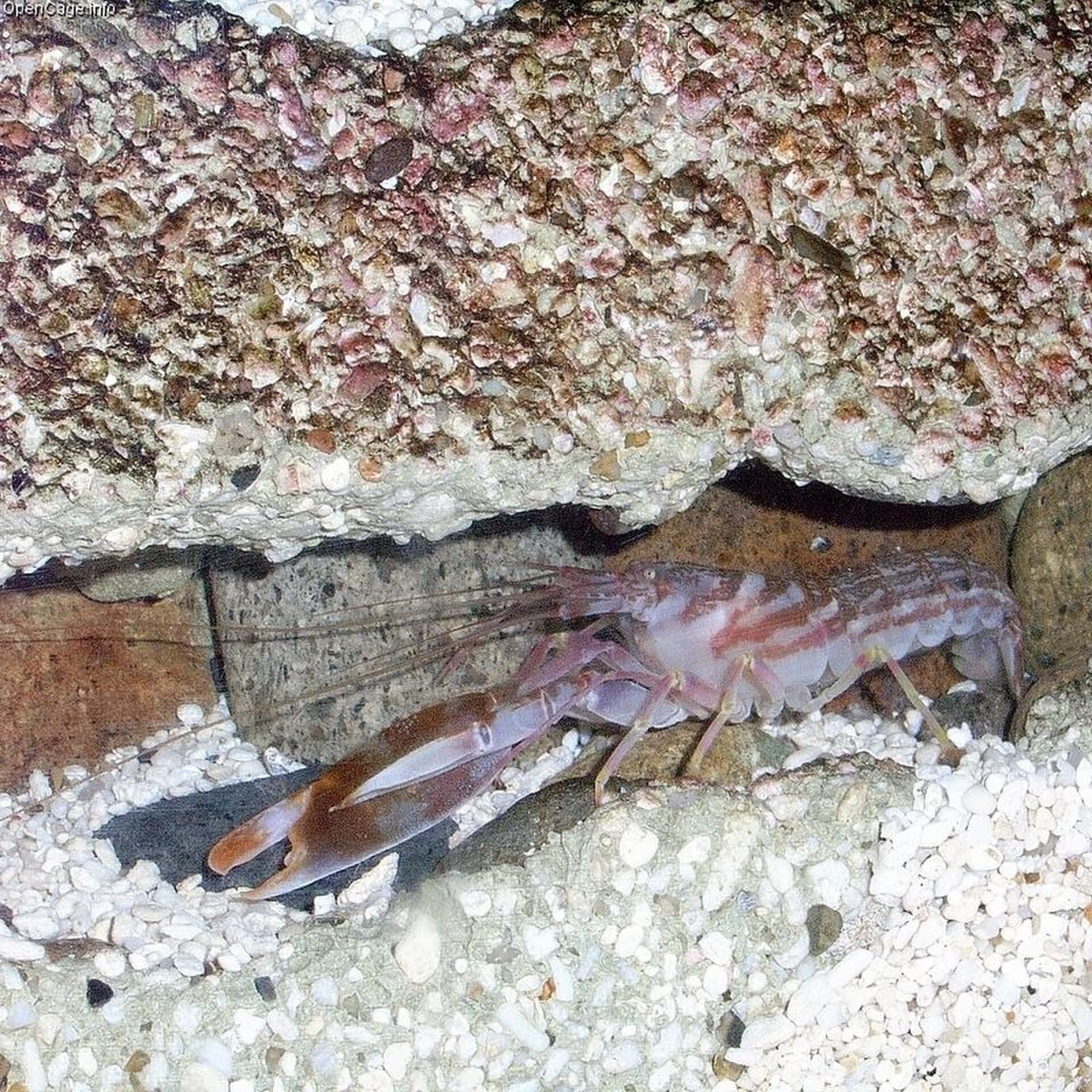
During the Second World War, Allied naval sonar operators faced a puzzling challenge. As they scanned the depths for enemy submarines in shallow tropical and subtropical waters, their hydrophones picked up an unidentified, persistent crackling sound that interfered with detection efforts. This underwater cacophony, described as pervasive and enigmatic, was eventually traced back not to a mechanical fault or enemy trickery, but to a small, unassuming creature: the pistol shrimp, belonging to the family Alpheidae. Measuring just three to five centimetres in length, this crustacean possesses an extraordinary capacity for creating one of the loudest sounds in the ocean, reaching source levels of approximately 218 decibels at one metre. To put this in perspective, such intensity is louder than the calls of a sperm whale and even exceeds the noise of a gunshot under water. It is comparable, astonishingly, to the sound of a 5,000-ton ship colliding with a quayside.
The mechanism
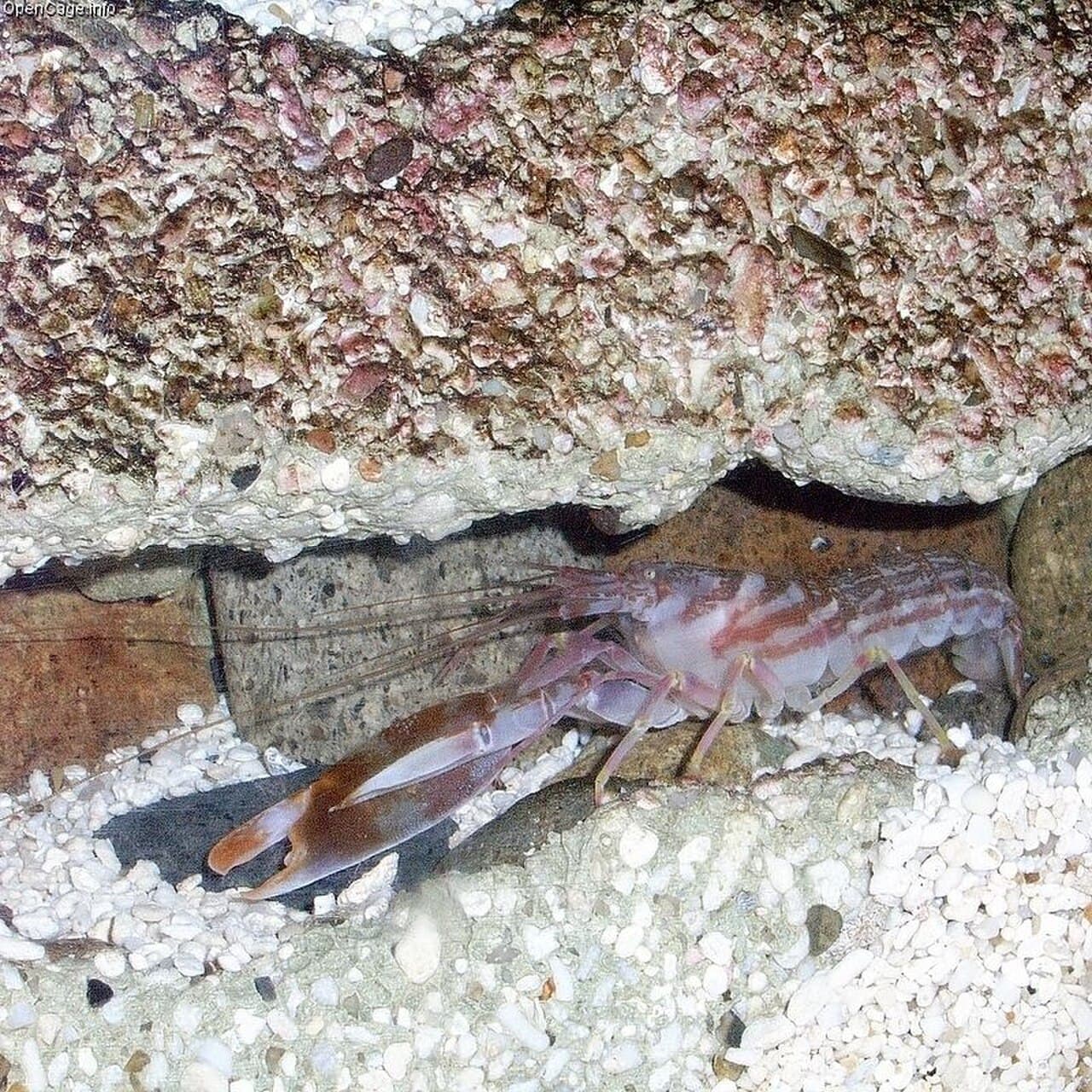
The pistol shrimp's sonic prowess originates from a highly specialised adaptation: its asymmetrical claws. While one claw appears ordinary, the other is enlarged, resembling a hammer in both form and function. This peculiar claw is equipped with a mechanism that allows the shrimp to lock it open and then release it suddenly. When the shrimp snaps this claw shut, the dactyl, or movable finger, moves at an impressive velocity of around 30 metres per second. This rapid closure is not merely a mechanical action but is intricately designed to shoot a jet of water at speeds exceeding 25 metres per second. The accelerated movement of water causes a sharp drop in pressure, momentarily falling below the vapour pressure of water at ambient temperature, resulting in vaporisation.
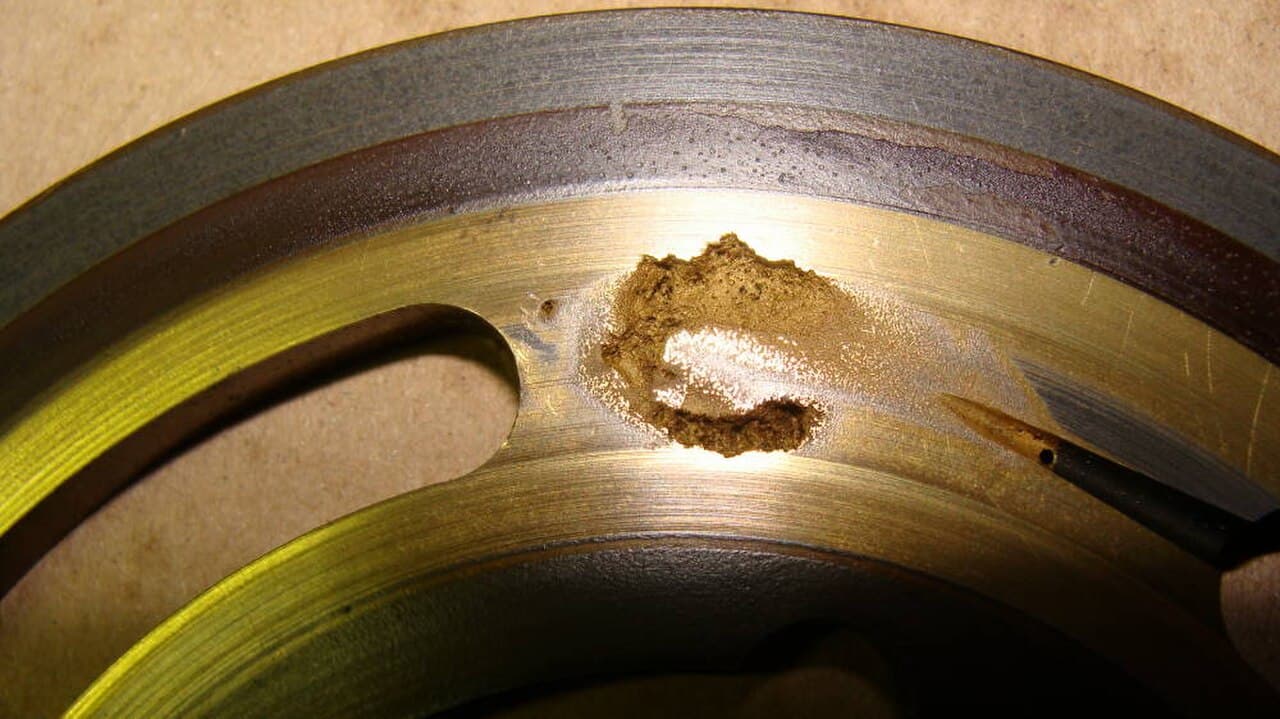
This fascinating process, known as cavitation, leads to the formation of a vapour cavity or bubble. As the surrounding water pressure reasserts itself, the bubble collapses violently. Such cavitation is a phenomenon well-documented in naval engineering, often responsible for pitting damage in ship propellers. However, in the case of the pistol shrimp, this is not a drawback but an evolutionary advantage. The implosion of the bubble releases energy in the form of heat and sound, forming the basis for the shrimp's unique hunting and defence mechanism.
Sonoluminescence and the temperature claim
One of the most intriguing aspects of the pistol shrimp's cavitation bubble is its brief burst of light, a phenomenon known as sonoluminescence. As the cavitation bubble collapses, the gas trapped inside is compressed so swiftly that it heats to temperatures estimated to reach approximately 4,700 degrees Celsius. This temperature is achieved in less than 100 picoseconds — a timescale almost unfathomably short — resulting in a flash of light that is barely visible to the human eye without specialised equipment.
The temperature claim often associated with the pistol shrimp — that it creates conditions 'hotter than the surface of the Sun' — is a nuanced truth. While the Sun's photosphere is about 5,500 degrees Celsius, the shrimp's bubble achieves temperatures that are indeed briefly comparable. The seminal work by Versluis and colleagues (2000) in 'Science' provided a more precise understanding of this process, revealing the detailed dynamics of the cavitation bubble and confirming the temperature findings. The shrimp's ability to induce such conditions remains an extraordinary example of nature's capability to harness extreme physical processes in biological systems.
What this does to prey
The pistol shrimp's cavitation jet serves as a formidable weapon against its prey. Contrary to what one might imagine, the shrimp does not physically batter its targets with its claw. Instead, it employs the shockwave generated by the bubble's collapse to incapacitate its prey. Fish, crabs, and other small crustaceans, particularly those within a radius of two centimetres from the claw, can be stunned or even killed outright by the force of the implosion.
Once the prey is immobilised by the shockwave, the shrimp seizes the opportunity to approach and consume its meal. The method is inherently hydrodynamic, relying on the transfer of energy through water, rather than direct mechanical contact. This approach showcases an elegant adaptation, enabling the shrimp to exploit a powerful natural phenomenon to enhance its predatory effectiveness without requiring direct physical prowess.
The biology around the weapon
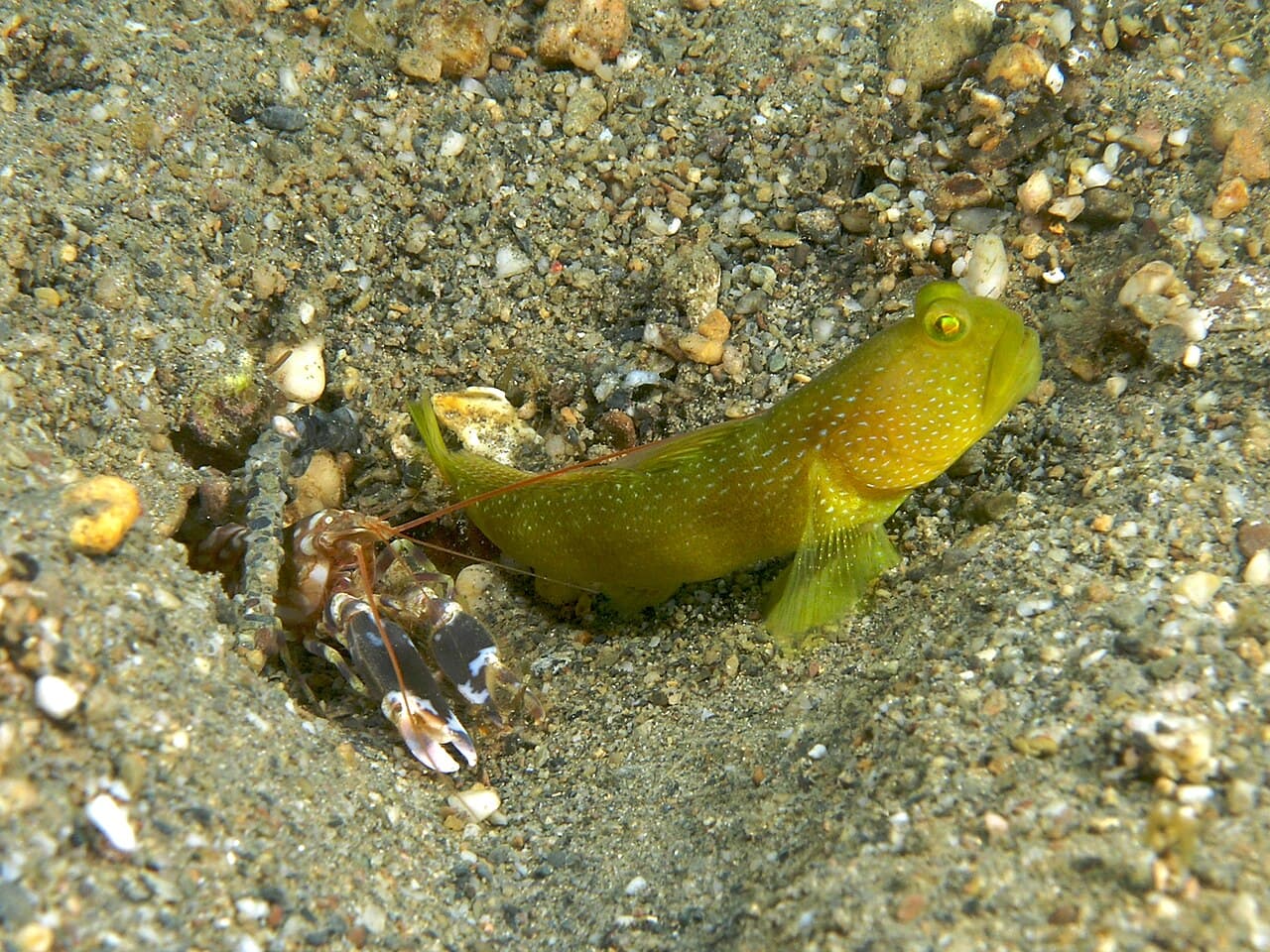
Pistol shrimps, while renowned for their sonic capabilities, are also notable for their biological interactions and habitat. These small-bodied crustaceans commonly inhabit coral reef environments, where they burrow into sand and rubble. Their burrowing behaviour is not merely for refuge; it sets the stage for one of the marine world's most interesting symbiotic relationships. Many pistol shrimp species form obligate symbioses with gobies, small vigilant fish that share their burrows. In this mutualistic relationship, the shrimp provides a safe haven by maintaining the burrow, while the goby, with its superior eyesight, acts as a sentry, signalling danger to the shrimp via tail movements.
The shrimp's cavitation weapon is not solely a tool for hunting. It also serves a critical role in territorial defence. When confronted by conspecific rivals, pistol shrimps engage in confrontational displays that can be both seen and heard from afar. These interactions underscore the shrimp's reliance on its sonic capabilities not only for sustenance but also for survival in a competitive environment.
Why it is interesting beyond the biology
The pistol shrimp captivates interest not only for its biology but also for its broader implications. First, cavitation poses significant challenges in engineering — from damaging ship propellers to eroding pump impellers and turbines. Understanding how the pistol shrimp utilises cavitation rather than succumbs to it offers insights that can inform material science and engineering solutions. The biological system's resilience and effectiveness in managing cavitation provide a model for developing better materials and mechanisms in human technology.
Second, the shrimp's claw represents one of the fastest accelerations recorded in any animal, a feat shared by the mantis shrimp's famously swift strike. As highlighted in the commentary by Patek (2019), such rapid movements in the animal kingdom reveal the extreme limits of biological mechanics, challenging our understanding of muscle performance and energy transfer. Finally, the discovery process itself — from the initial identification of mysterious underwater crackling during WWII, to pinpointing the pistol shrimp as the source, to using high-speed imaging to unravel the mechanics of cavitation and sonoluminescence — exemplifies how scientific exploration can unveil complex phenomena hidden in plain sight.
The pistol shrimp, despite its modest size, defies expectations. While its capabilities might not constitute a miracle, they exemplify the extraordinary adaptations life can achieve through natural selection. Cavitation, a well-understood physical process, is rarely employed as a biological weapon, making the pistol shrimp's strategy particularly remarkable. Whatever evolutionary pressures guided the development of its unique claw, the result is a creature that utilises the same physics responsible for damaging large marine machinery to capture its prey with precision. In the end, the pistol shrimp serves as a reminder that much of the fascinating biology we encounter is rooted in the imaginative application of well-known principles.
References
- Versluis, M., Schmitz, B., von der Heydt, A., & Lohse, D. (2000). How snapping shrimp snap: through cavitating bubbles. Science, 289(5487), 2114–2117.
- Lohse, D., Schmitz, B., & Versluis, M. (2001). Snapping shrimp make flashing bubbles. Nature, 413(6855), 477–478.
- Patek, S. N. (2019). The power of mantis shrimp strikes: interdisciplinary impact of an extreme animal. Proc. Natl. Acad. Sci. (commentary).
- Karplus, I. (1987). The association between gobiid fishes and burrowing alpheid shrimps. Oceanogr. Mar. Biol. Ann. Rev., 25, 507–562.