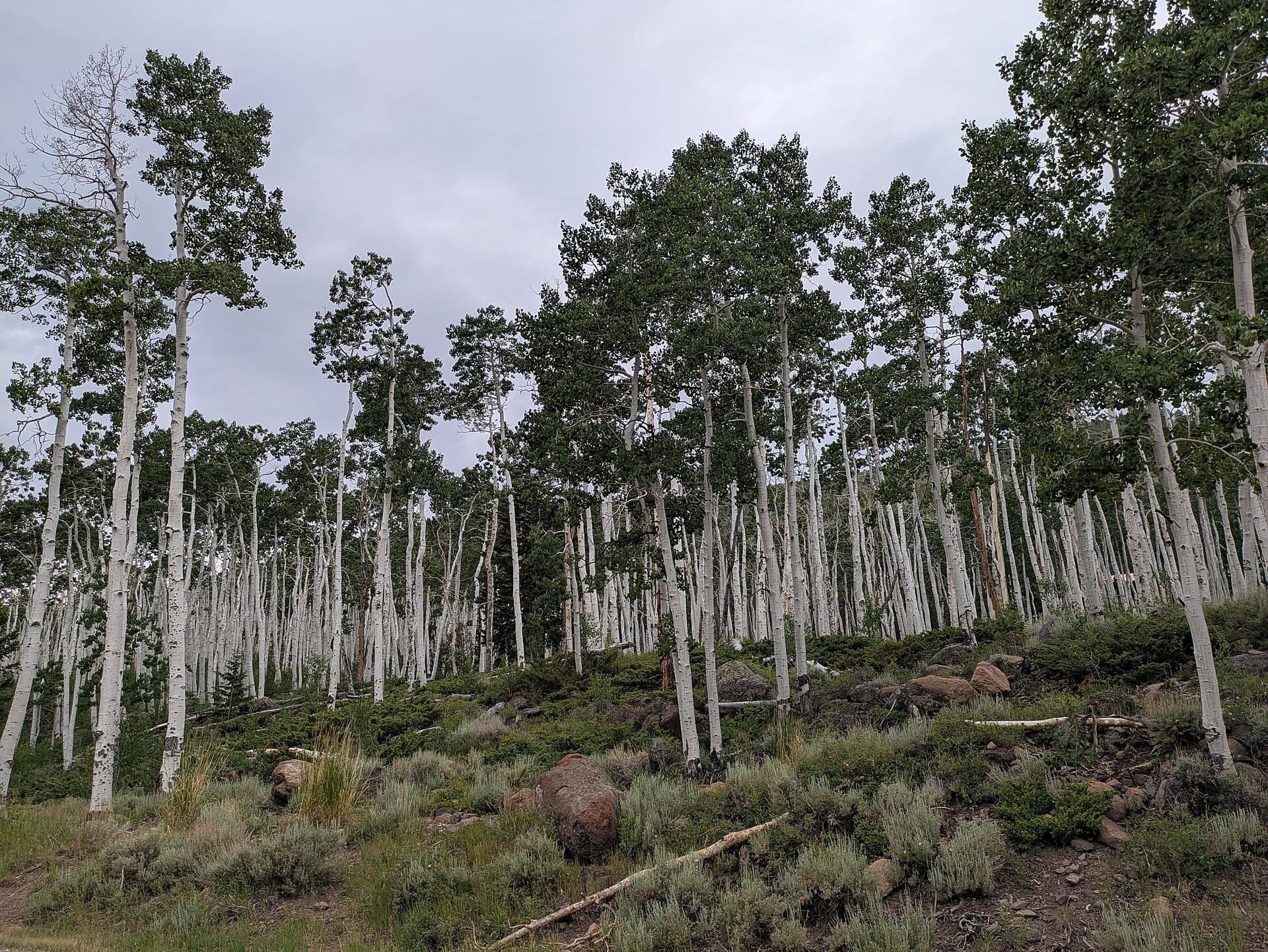
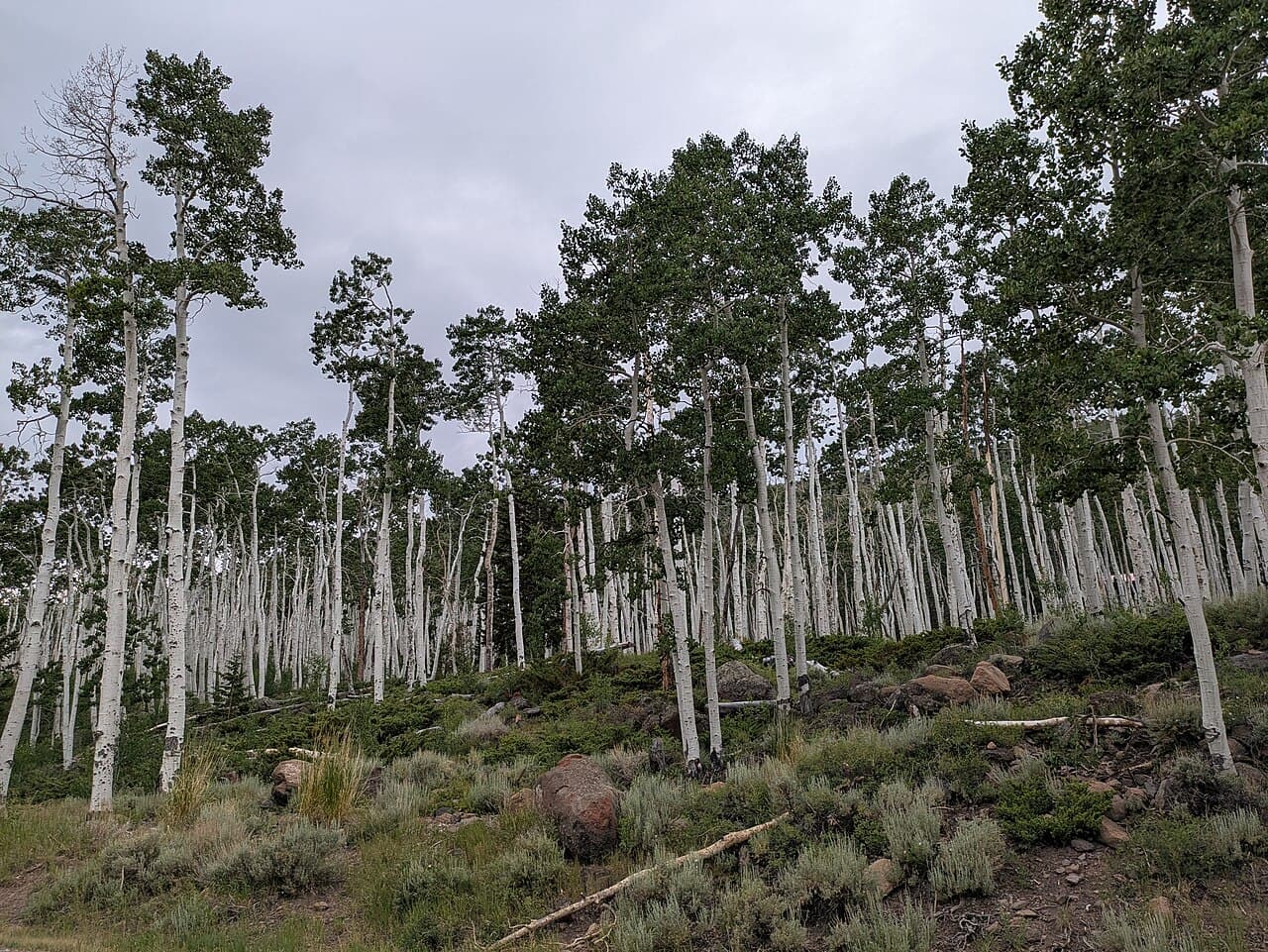
In the heart of Fishlake National Forest, central Utah, at an elevation of approximately 2,700 metres, lies a remarkable natural phenomenon: a stand of quaking aspens known as Pando. Covering about 43 hectares, or 106 acres, Pando comprises between 47,000 and 80,000 individual tree stems. Each trunk presents the familiar characteristics of the quaking aspen (Populus tremuloides) — slender, white bark and heart-shaped leaves that tremble with the slightest breeze. Every autumn, the entire stand turns a resplendent yellow, a vivid testament to its uniformity. Despite appearances, these trees are not separate entities but manifestations of a single organism, connected by an ancient and expansive root system. With an estimated mass of around 6,000 tonnes, Pando is not only a spectacle of biological uniformity but also one of the Earth's largest living organisms by mass.
How a single organism becomes a forest
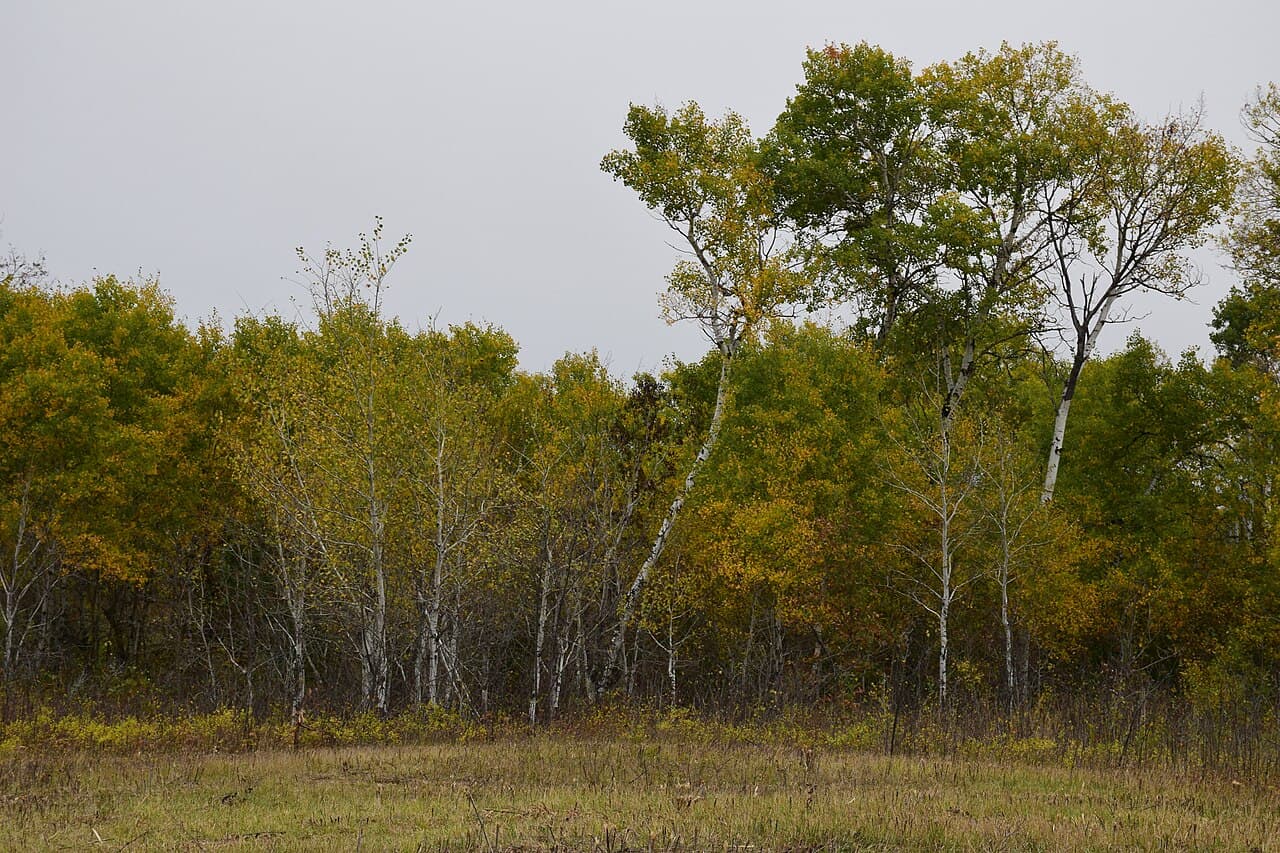
Quaking aspens possess a dual strategy of reproduction: sexual reproduction through seeds and clonal reproduction via a process known as suckering. This latter method involves a mature aspen sending out lateral roots just beneath the soil surface, sometimes extending tens of metres horizontally. From these roots, new shoots emerge and grow into above-ground trunks. Each new shoot is genetically identical to the parent tree, forming a network of clones that share a common root system. This mode of reproduction allows quaking aspens to form extensive clonal colonies. While many aspen stands across North America are clonal to some degree, Pando's scale is exceptional. Its continuous root system has supported the renewal of its above-ground stems for thousands of years, creating a massive living structure that defies typical perceptions of individuality in trees.
Pando's ability to perpetuate itself through clonal reproduction allows it to thrive even in challenging environments. As individual trunks reach the end of their life span — typically 100 to 150 years — they die and are replaced by new growth emerging from the shared root system. This renewal has enabled Pando to persist through numerous environmental changes, making it a formidable example of resilience in the plant kingdom. However, this incredible mechanism of survival also presents unique challenges in understanding and managing the health of the entire organism, as it blurs the line between individual and collective life.
What 'one organism' means here
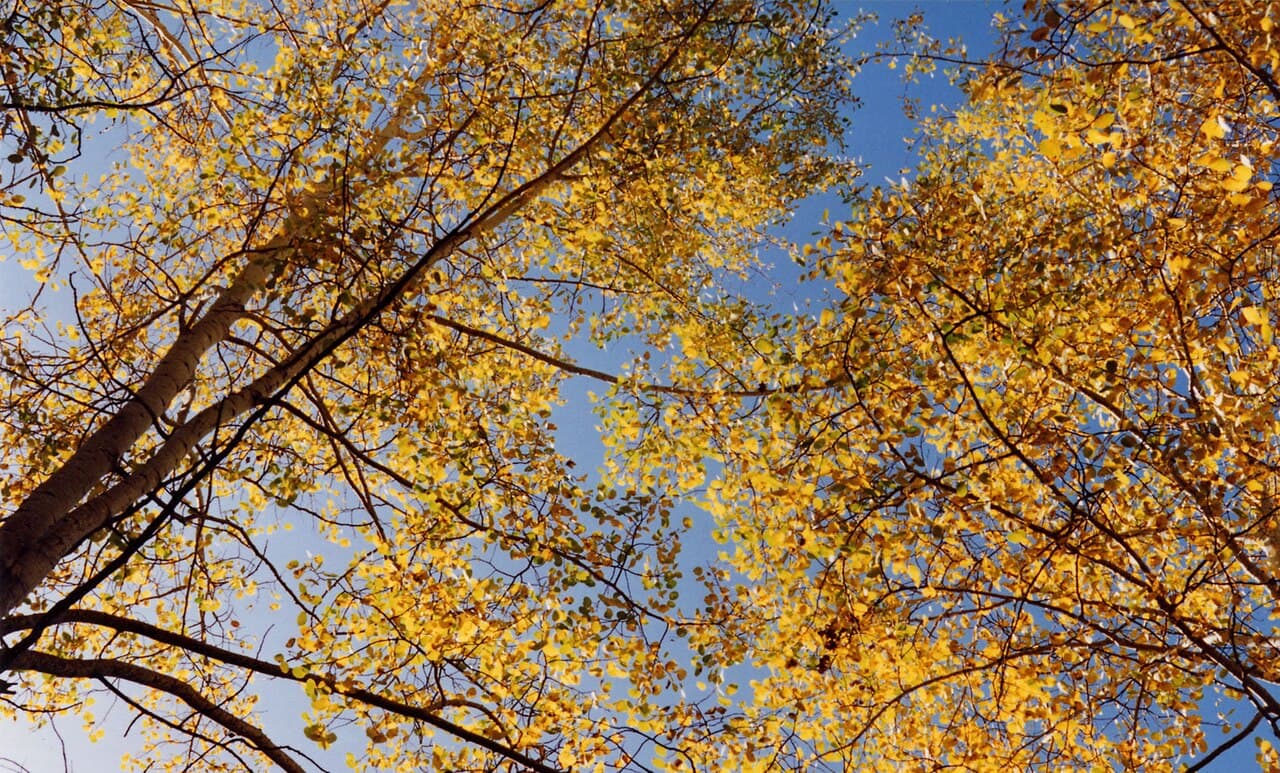
The claim that Pando constitutes a single organism is supported by three distinct lines of evidence: genetic, physiological, and phenological. From a genetic standpoint, DNA sampling conducted across hundreds of trees within the colony has consistently revealed a uniform genotype, distinct from the neighbouring aspen stands. This genetic uniformity underscores the clonality of the organism — every tree is essentially a clone of the original. Physiologically, the shared root system enables the trunks to respond to environmental conditions in a coordinated manner. Water and nutrients are distributed throughout the colony, ensuring that the trees can collectively weather fluctuations in local conditions.
Phenologically, Pando's trees display synchronised patterns in their life cycles. The colony's autumn transformation into a golden tapestry occurs within a few days, a synchrony not observed in genetically distinct neighbouring stands, which may change colour weeks apart. Similarly, the spring leaf-out happens almost simultaneously across Pando, further evidencing its integrated nature. The name 'Pando' itself, Latin for 'I spread', was aptly given by Burton V. Barnes, who first recognised the stand as a single clonal organism in the 1970s (Kemperman & Barnes, 1976). This interconnectedness is what makes Pando unique, transforming what appears to be a forest into a single, sprawling organism.
How old it is
Estimating the age of Pando presents a scientific challenge, primarily because the organism's root system — the true measure of its age — lacks annual growth rings like those found in the above-ground stems. The individual trunks, which are essentially ephemeral, live for about 100 to 150 years before dying and being replaced. This regenerative cycle obscures the direct measurement of age. Nevertheless, Mitton and Grant (1996) provided a substantial estimate, suggesting that the root system is at least 9,000 years old. This estimation places the colony's origin shortly after the last glacial retreat, a time when new ecosystems were beginning to establish themselves.
Some speculative accounts have posited that Pando could be as old as 80,000 years, suggesting that it may have survived through the last glaciation. However, this upper estimate is largely dismissed by palaeoecologists who deem such resilience unlikely given the harsh climatic conditions during the glaciation. Thus, while Pando's exact age remains a topic of debate, the most grounded scientific consensus indicates an age of at least 9,000 years, allowing for the possibility that it could be significantly older but not more than a few tens of thousands of years. This age makes Pando not only a marvel of biological persistence but also a witness to millennia of ecological history.
Why it is dying
Despite its longevity and resilience, Pando is currently facing significant threats to its survival. Aerial photographs spanning the 20th and 21st centuries reveal a troubling trend of progressive thinning across the colony. Modern studies, particularly by Paul Rogers at Utah State University, have documented an aging stem demographic, characterised by many mature trunks and a conspicuous absence of young suckers reaching maturity. The primary culprit of this decline is concentrated browsing pressure from mule deer, and to a lesser extent, elk.
Increases in mule deer populations are linked to the suppression of natural predators and hunting management strategies that favour deer numbers. These ungulates consume young aspen suckers before they can develop beyond browse height, preventing the regeneration necessary for Pando's continued survival. Evidence from fenced enclosures within the colony starkly illustrates this dynamic. Inside these protected areas, young aspens regenerate and grow successfully, reaching heights of several metres within a decade. Outside the fences, however, saplings are unable to establish themselves, leading to a continued decline of the above-ground forest, which is now approximately 105 years past its natural replacement rate.
What is being done
To combat the decline of Pando, the U.S. Forest Service has undertaken measures to protect portions of the colony from browsing. Since 2013, deer-exclusion fencing has been installed across sections of the stand. The impact of these interventions is evident: within the fenced areas, young aspens are thriving, reaching heights of 5 to 10 metres over the course of a decade. This success demonstrates the potential for regeneration when browsing pressure is mitigated. Nonetheless, the broader conservation challenge remains complex and contentious.
Effective solutions are hindered by the practical and political difficulties associated with large-scale fencing and population control of mule deer. Fencing, while effective, is expensive, visually intrusive, and politically contentious. Alternatives, such as increasing the hunting quotas for mule deer or reintroducing large predators, face resistance from various stakeholders, including local communities and the state government. The state of Utah has been hesitant to pursue aggressive deer reduction strategies. Without significant intervention, the current trajectory suggests that Pando will continue to fragment into smaller patches, each struggling for survival amid constant browsing pressure.
The situation confronting Pando illustrates a broader issue in conservation: ecological loss often proceeds invisibly, at a pace ill-suited to human attention. Pando's decline unfolds over decades, with each tree's death appearing statistically normal and unremarkable. However, as the colony fails to regenerate, the cumulative impact becomes increasingly apparent. This gradual, unphotogenic process of ecological failure challenges both scientific and political engagement, as it rarely aligns with the urgency of government planning cycles or public awareness campaigns. While science can clearly describe the problem, translating this understanding into actionable policy has proven elusive. Pando will likely outlast most of those who study it today, but whether it will survive to the next century remains an open question, dependent on the mobilisation of political will and innovative conservation strategies.
References
- Mitton, J. B., & Grant, M. C. (1996). Genetic variation and the natural history of quaking aspen. BioScience, 46(1), 25–31.
- Rogers, P. C., & McAvoy, D. J. (2018). Mule deer impede Pando's recovery: Implications for aspen resilience. PLOS ONE, 13(10), e0203619.
- Kemperman, J. A., & Barnes, B. V. (1976). Clone size in American aspens. Canadian Journal of Botany, 54(22), 2603–2607.
- DeWoody, J., et al. (2008). 'Pando' lives: molecular genetic evidence of a giant aspen clone. Western North American Naturalist, 68(4), 493–497.