
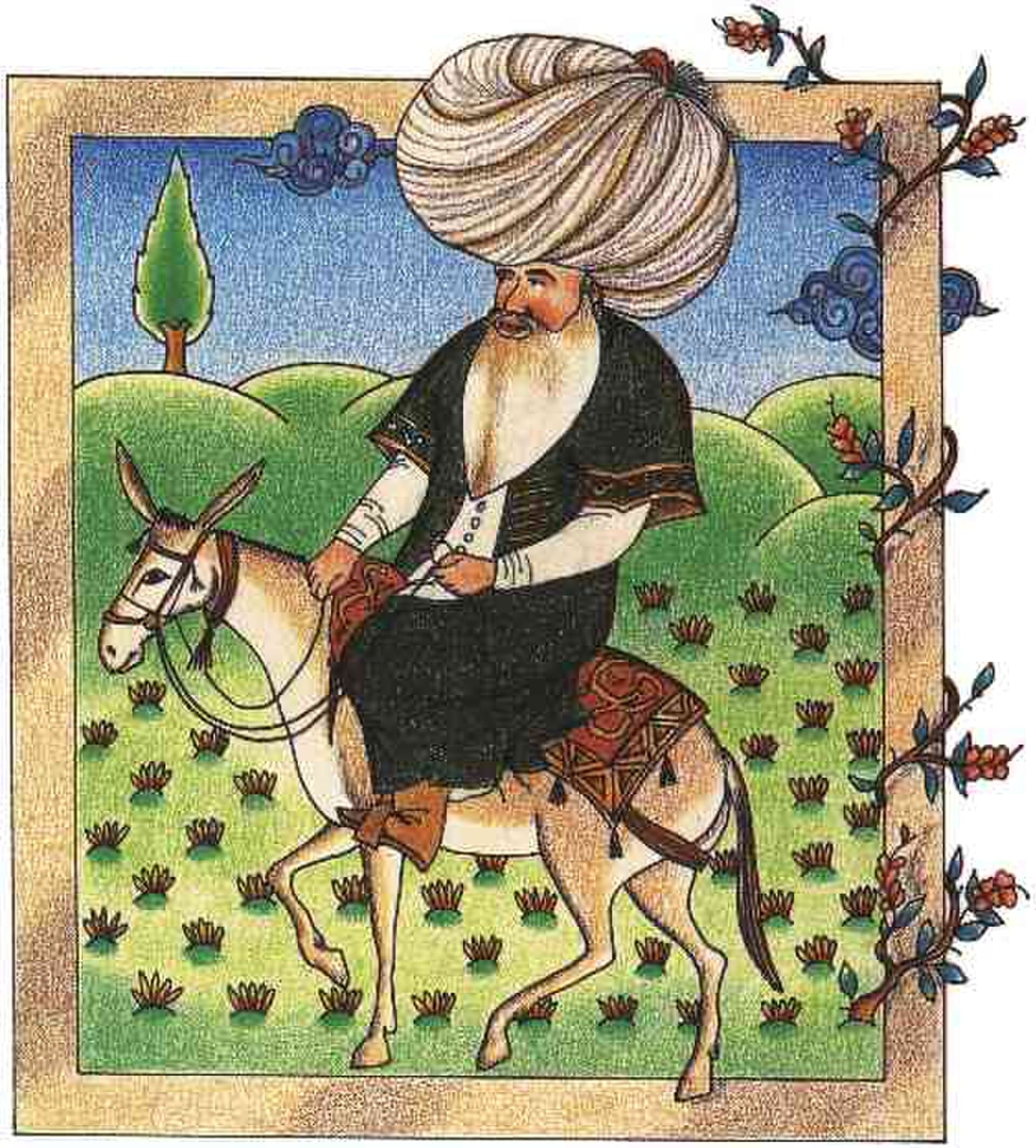
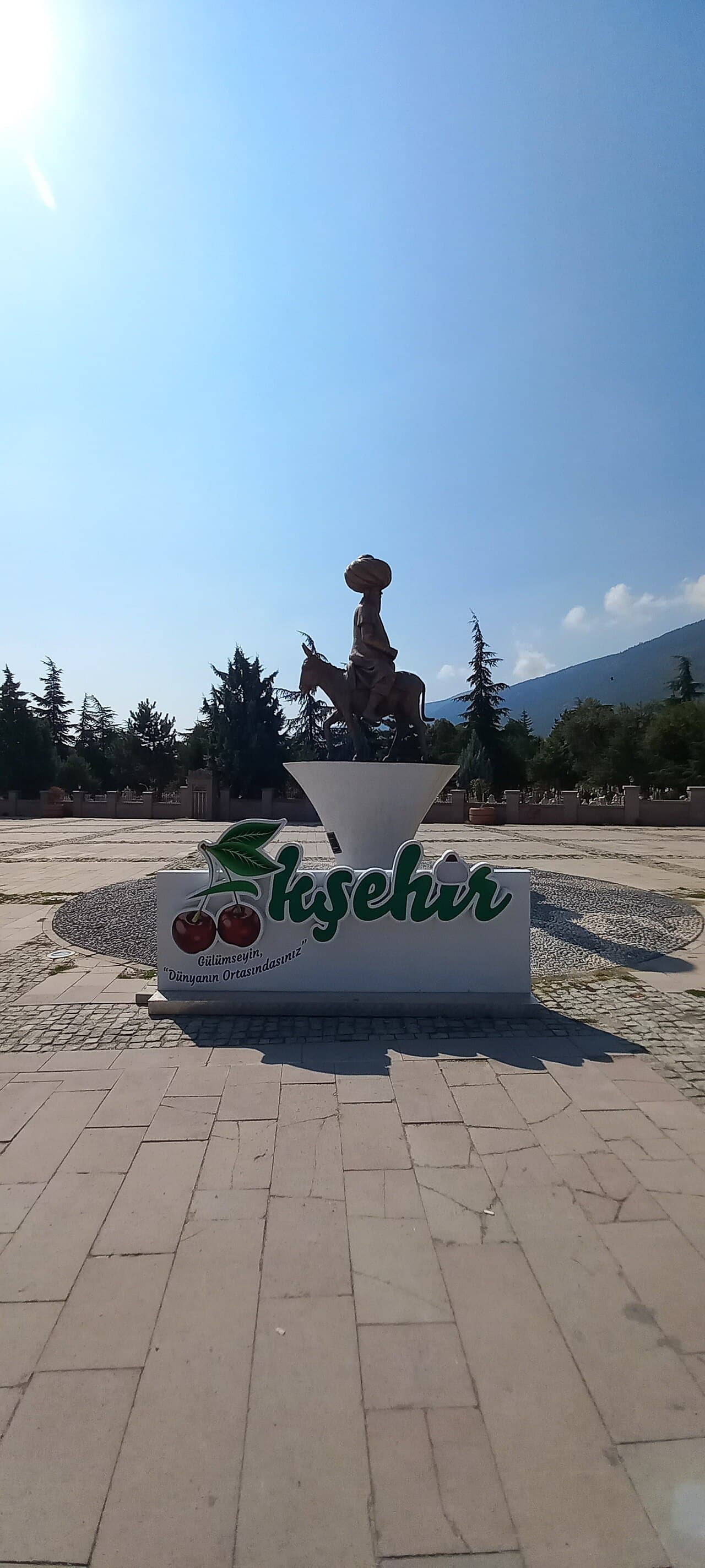
In the dusty streets of 13th-century Akşehir, a small town in Anatolia, the figure of Nasreddin Hodja stands out as a blend of wit, wisdom, and gentle satire. A preacher known for his sharp humour, Nasreddin has transcended the boundaries of his time and place to become a legendary figure across the Turkic-speaking world. From the Uyghurs in China to the Bosnians in the Balkans, everyone lays claim to his tales. Such is his influence that in 1996, UNESCO recognised Nasreddin Hodja as a piece of 'world heritage' in humour. His stories, passed down through generations, continue to amuse and enlighten, often with a twist that leaves one pondering the deeper implications. Let's wander through a few of these tales and see how the Hodja's humour still resonates today.
1. The missing donkey
One of the most beloved tales of Nasreddin Hodja features a missing donkey. On one occasion, Nasreddin's donkey wandered off and went missing. His friends and neighbours gathered around him as he thanked God, saying, 'çok şükür' (thanks be to God). Bewildered by his gratitude in such a situation, they asked why he was thankful. Nasreddin replied, 'If I had been on the donkey, I would be lost too.' This simple yet profound logic left his friends both amused and contemplative. The tale's humour lies in the unexpected gratitude for a situation that most would consider unfortunate.
Note on the tale
The linguistic play in this tale is central to its humour. The phrase 'çok şükür' is an idiomatic expression used to express gratitude in Turkish, often invoked with genuine piety. However, Nasreddin's use of it in a context that mocks his own plight highlights a playful subversion of this piety. By doing so, the story does not ridicule religious belief but rather the tendency to resign oneself to circumstances without reflection. This subtle distinction allows the joke to endure over centuries, as it cleverly navigates the fine line between satire and respect for tradition.
2. The cauldron that died
Another tale that showcases Nasreddin's comedic brilliance involves a borrowed cauldron. A neighbour once borrowed a large cauldron from Nasreddin. When returning it, Nasreddin included a small pot inside, claiming that the cauldron had given birth while at his house. The neighbour, amused, accepted this without question. On another occasion, the neighbour borrowed the cauldron again, but this time Nasreddin did not return it. When the neighbour inquired, Nasreddin solemnly informed him that the cauldron had died. The tale plays on the neighbour's earlier acceptance of the absurd premise, taking it to its logical, yet ridiculous, conclusion.
Note on the tale
The humour in this story arises from the use of verbs like 'doğdu' (gave birth) and 'öldü' (died), which are typically reserved for living beings, being applied to inanimate objects. Nasreddin exploits the neighbour's willingness to accept an initial absurdity, revealing the folly in uncritical acceptance. This pattern of pushing a fool's premise to its extreme is characteristic of Hodja tales. It serves as a reminder of the human tendency to accept convenient narratives without scrutiny. The tale endures because of its universal appeal, speaking to the folly inherent in unexamined beliefs.
3. The robe at the dinner
One evening, Nasreddin attended a lavish dinner hosted by a wealthy man. Dressed in his everyday clothes, he noticed that he was largely ignored by the other guests. Frustrated, he left, donned his finest 'kaftan' (robe), and returned to the dinner. This time, he was warmly welcomed and offered the best seats. As the meal progressed, Nasreddin began stuffing food into the pockets of his robe, exclaiming, 'Eat, my kaftan, eat!' His actions puzzled the guests, prompting him to explain that it was the robe, not he, who was truly welcome at the table. This tale vividly illustrates how appearances often overshadow substance.
Note on the tale
This story of Nasreddin is perhaps the most widely anthologised, transcending linguistic boundaries due to its commentary on social status and superficial judgments. The use of the word 'kaftan' situates the tale within the cultural context of Ottoman dress, highlighting the importance of attire in social settings. Additionally, the verb 'buyur' (please, help yourself) is significant in Turkish hospitality, adding another layer of irony when directed at the robe. This tale's enduring popularity lies in its universal theme, making it relatable across cultures and an excellent entry point for language learners to explore cultural nuances.
4. You are right, you are also right
A classic Nasreddin tale involves two disputants seeking his judgment. Each presents their case, and to each, Nasreddin says, 'haklısın' (you are right). His wife, overhearing the judgments, protests, 'They cannot both be right!' Without missing a beat, Nasreddin turns to her and says, 'You are right too.' This tale captures Nasreddin's ability to highlight the absurdity in rigid binary judgments and the human propensity to see one's own side as correct. Through humour, Nasreddin exposes the limitations of absolute positions, inviting listeners to consider multiple perspectives.
Note on the tale
This tale embodies a Sufi philosophical turn, a hallmark of many Nasreddin stories. It serves as a lesson in the limits of partisan judgment and the wisdom of acknowledging multiple truths. Such tales are often cited in Mevlevi commentaries, including those by Idries Shah, who has played a pivotal role in transmitting these stories to English-speaking audiences. The Hodja's playful engagement with truth encourages a contemplative approach to conflict and contradiction, reflecting the deeper Sufi teaching of embracing paradox as a path to understanding.
Why the Hodja tales last
Nasreddin Hodja's tales have endured through the centuries, partly due to their brevity and universal appeal. They are short enough to be recited and remembered by children, yet rich with cultural insights that resonate with adults. These stories are structurally tight, often featuring a setup followed by a punchline that challenges pretentiousness and invites reflection. For language learners, the tales offer a treasure trove of idiomatic expressions and cultural references. Reading them in the original Turkish allows for repeated engagement without fatigue, and the subtle humour reveals new layers with each reading. The Hodja's legacy is a testament to the power of storytelling in conveying cultural wisdom and linguistic nuance.
References
Source · The tales retold here circulate in oral tradition and in dozens of published collections. Idries Shah's 1966 The Exploits of the Incomparable Mulla Nasrudin is one of the standard English sources; the Turkish corpus is catalogued at the Türk Dil Kurumu. Specific narrative shapes used here follow widely-attested folk versions, freely adaptable.


