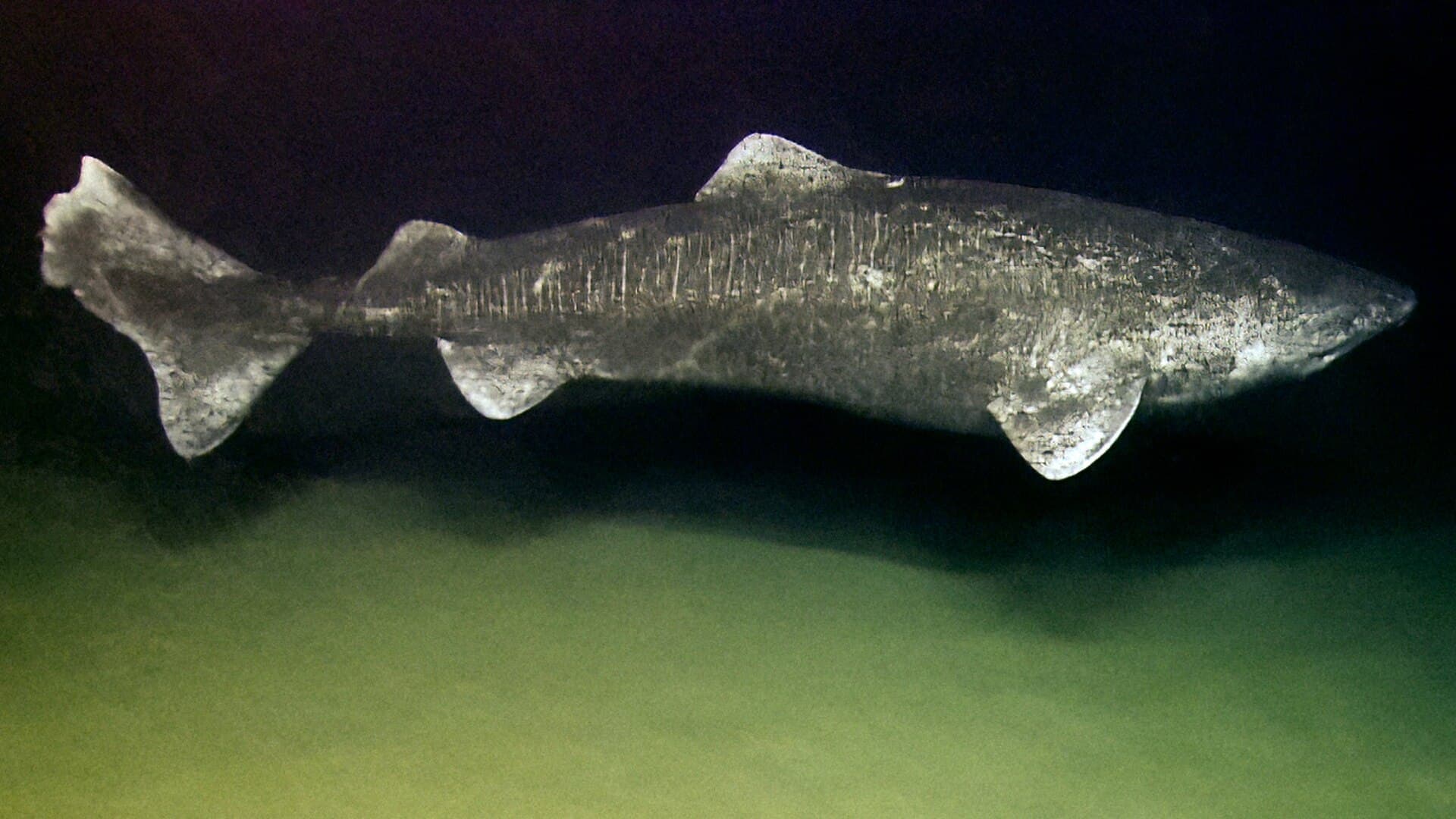
In 2016, a seminal paper published in Science by Julius Nielsen and colleagues at the University of Copenhagen unveiled the extraordinary longevity of the Greenland shark, Somniosus microcephalus. The team employed radiocarbon dating on the eye lenses of 28 specimens, revealing that these enigmatic creatures could live for centuries. The largest individual sampled, measuring 5.02 metres in length, was estimated to be 392 years old, with a margin of error of plus or minus 120 years. Several sharks were found to be over 200 years old. Nielsen et al. suggested a conservative maximum age estimate of around 400 years, though the true upper limit might be even greater. Remarkably, these sharks do not reach sexual maturity until approximately 150 years of age, marking them as the longest-lived vertebrates ever recorded.
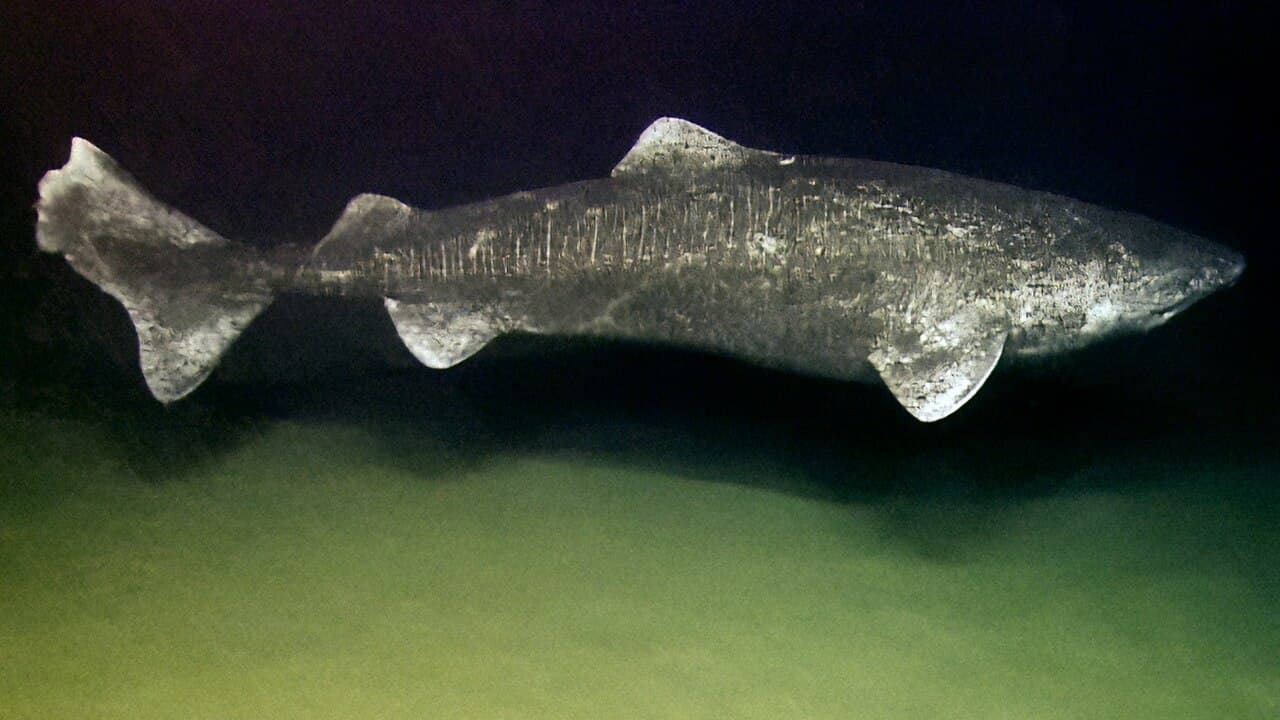
Where they live and how they move
The Greenland shark inhabits some of the most inhospitable waters on Earth. It is found in the icy depths of the North Atlantic and Arctic Oceans, ranging from the Norwegian Sea and Iceland, through the waters surrounding Greenland, to the cold expanse of Baffin Bay and the Labrador Sea. These sharks have a preference for cold environments, thriving in temperatures between 2 and 7°C. Typically, they dwell at depths ranging from 200 to 600 metres, though they have been observed in shallower coastal waters during the winter months.
Their mode of movement is as peculiar as their habitat. Greenland sharks cruise at a leisurely pace of about 0.34 metres per second, which is slower than the average human walking speed. Their tail beats at a rate of approximately eight beats per minute, an energy-conserving tactic befitting their sedentary lifestyle. This slow pace is not designed for pursuit but rather fits their strategy as opportunistic feeders and scavengers, allowing them to conserve energy over their prolonged lifespans.
Why they are usually blind

An unusual aspect of the Greenland shark's biology is its almost ubiquitous blindness among adults. This condition is primarily due to the parasitic copepod, Ommatokoita elongata, which attaches itself to the shark's eyes. The copepod, measuring about 3 centimetres in length, embeds in the cornea and dangles a trailing 5-centimetre egg sac. Infestation rates exceed 80% in mature sharks, and typically, both eyes are affected. The damage caused by these parasites renders the sharks effectively blind.
Despite this significant impediment, there is no evidence to suggest that the sharks are adversely affected. They appear to rely on other senses for navigation and hunting, such as their acute sense of smell, vibrations detected through the lateral line, and electroreception. Some researchers speculate that this relationship could be commensal rather than strictly parasitic, with the trailing egg sac of the copepod possibly acting as a lure for curious small fish that the shark might capture.
What they eat
The Greenland shark is a consummate scavenger and opportunistic predator, a role it plays with the same lethargy that characterises its movement. Stomach content analyses have revealed a broad dietary range, including Atlantic cod, halibut, lumpfish, capelin, squid, and various crustaceans. Intriguingly, their diet also occasionally includes large mammals such as seals and porpoises, which are believed to be ambushed while resting in the water.
The diet of the Greenland shark extends to terrestrial animals, such as reindeer, whose carcasses occasionally fall through the ice. A study conducted in 2014 even documented the presence of a polar bear carcass within a Greenland shark's stomach. Although these instances of predation on large mammals are real, they likely represent rare opportunistic events, with the majority of the shark's diet consisting of scavenged carrion.
The flesh problem
The flesh of the Greenland shark is imbued with a chemical defence mechanism. It is rich in trimethylamine N-oxide (TMAO), a compound that helps stabilise proteins in the extreme cold and high-pressure environments the shark inhabits. However, when the shark's flesh is consumed, TMAO breaks down into trimethylamine, which is toxic to mammals, leading to severe intoxication symptoms in humans and dogs.
To render the meat safe, traditional Icelandic preparation methods involve fermenting the flesh for several weeks in pits, followed by air drying for months. This process neutralises the toxicity, producing hákarl, a dish notorious for its strong ammonia odour. Hákarl is one of the oldest documented culinary practices in Northern Europe and serves as a testament to the ingenuity required to utilise this otherwise hazardous resource.
How they get so old
The remarkable longevity of the Greenland shark remains a subject of scientific intrigue. While the exact mechanisms are not fully understood, several plausible factors contribute to their extended lifespans. The perpetually cold waters in which they reside slow down their metabolic processes significantly. With a basal metabolic rate among the lowest recorded for vertebrates, these sharks live life at a glacial pace, a condition often associated with increased lifespan.
Their growth is similarly slow, at about one centimetre per year for adult sharks. This slow growth rate and late sexual maturity—around 150 years of age—result in generation times stretching across multiple centuries. Recent genetic studies have highlighted expansions in DNA repair genes and a reduction in mitochondrial mutation rates, both of which are consistent with the mechanisms underlying their extreme longevity.
Unfortunately, these very traits that contribute to their longevity also render the Greenland shark vulnerable to human activities. Historically, the sharks were hunted for their liver oil, a vital resource for lamp fuel until the early 20th century. In Iceland alone, several thousand sharks were killed annually during the 1800s. Today, while direct hunting is largely prohibited, they frequently become victims of bycatch in fisheries operating in Greenland and Norway. The International Union for Conservation of Nature (IUCN) currently lists the Greenland shark as Vulnerable. Each accidental capture of a 250-year-old shark represents a significant loss in reproductive potential for the population, a poignant reminder of the fragility of this ancient species on human timescales.
References
- Nielsen, J., et al. (2016). Eye lens radiocarbon reveals centuries of longevity in the Greenland shark (Somniosus microcephalus). Science, 353(6300), 702–704.
- Watanabe, Y. Y., et al. (2012). The slowest fish: swim speed and tail-beat frequency of Greenland sharks. Journal of Experimental Marine Biology and Ecology, 426–427, 5–11.
- Borucinska, J., et al. (1998). The copepod Ommatokoita elongata as a parasite of the Greenland shark. International Journal of Parasitology, 28(11), 1697–1700.
- IUCN Red List. Somniosus microcephalus, Greenland shark.