Consider the blue whale, an immense creature weighing approximately 100,000 times more than a mouse and living roughly 50 times longer. With a body containing countless more cells than our small rodent friend, each cell division is an opportunity for a mutation that could lead to cancer. Intuitively, one might expect that such large, long-lived animals would succumb to cancer at a young age, their massive number of cells inviting lethal mutations. Yet, blue whales do not typically die of cancer within their first decade, nor do they exhibit the high cancer rates suggested by simple arithmetic. This observation forms the basis of Peto's paradox, a concept that challenges our understanding of cancer incidence in relation to body size and lifespan.
Peto's paradox
Richard Peto, in a seminal 1977 paper, pointed out the curious lack of correlation between an animal's size and its cancer rate. Across mammals, from mice to whales, the incidence of cancer does not scale with body size or lifespan as one would expect. While mice are prone to cancer, whales are not, despite the vast difference in cell number and lifespan. This paradox extends beyond animals; within humans, taller individuals have only a slightly higher risk of developing cancer despite having more cells, and even then, the increase is not proportional to their size. Additionally, large breeds of dogs tend to have higher cancer rates than smaller breeds, yet the disparity remains smaller than would be predicted by differences in cell count. Evolution seems to have equipped various species with mechanisms to circumvent what appears, on the surface, to be a mathematical certainty.
The evolutionary solutions that have resolved Peto's paradox are still a subject of intense research. While human medicine struggles to address cancer's complexities, nature has already implemented solutions over millions of years. These solutions, encoded in the genomes of large, long-lived animals, challenge our assumptions and offer potential pathways for medical advancements.
The elephant case
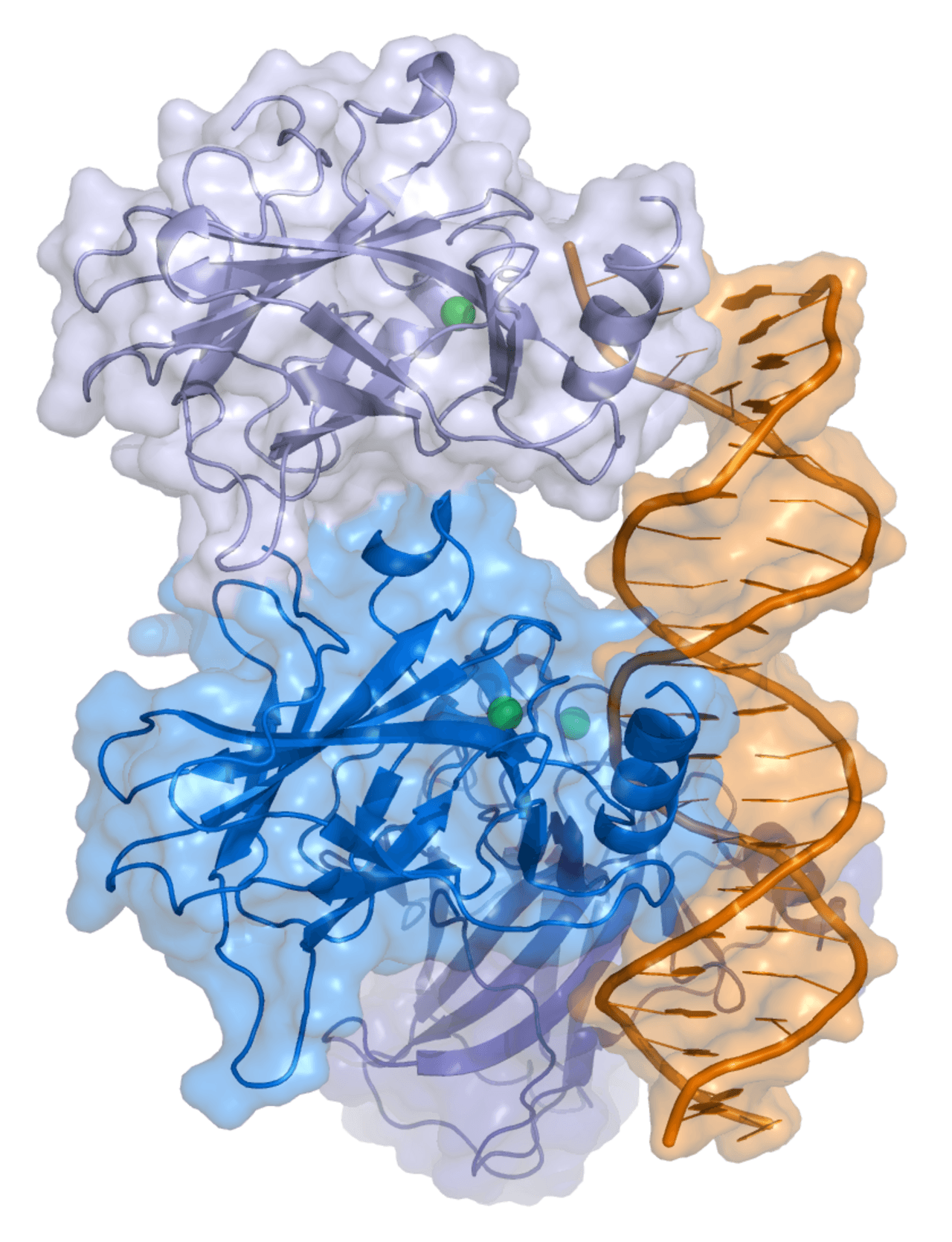
Elephants present a compelling case study in the exploration of cancer resistance. These majestic creatures, living between 60 to 70 years and weighing several tonnes, possess approximately 100 times more cells than humans. Yet, the data paints a surprisingly optimistic picture: elephants have a lifetime cancer mortality rate of about 5%, a stark contrast to the 20-30% observed in humans. This remarkable statistic was illuminated in a 2015 paper by Joshua Schiffman and colleagues, published in the Journal of the American Medical Association (JAMA).
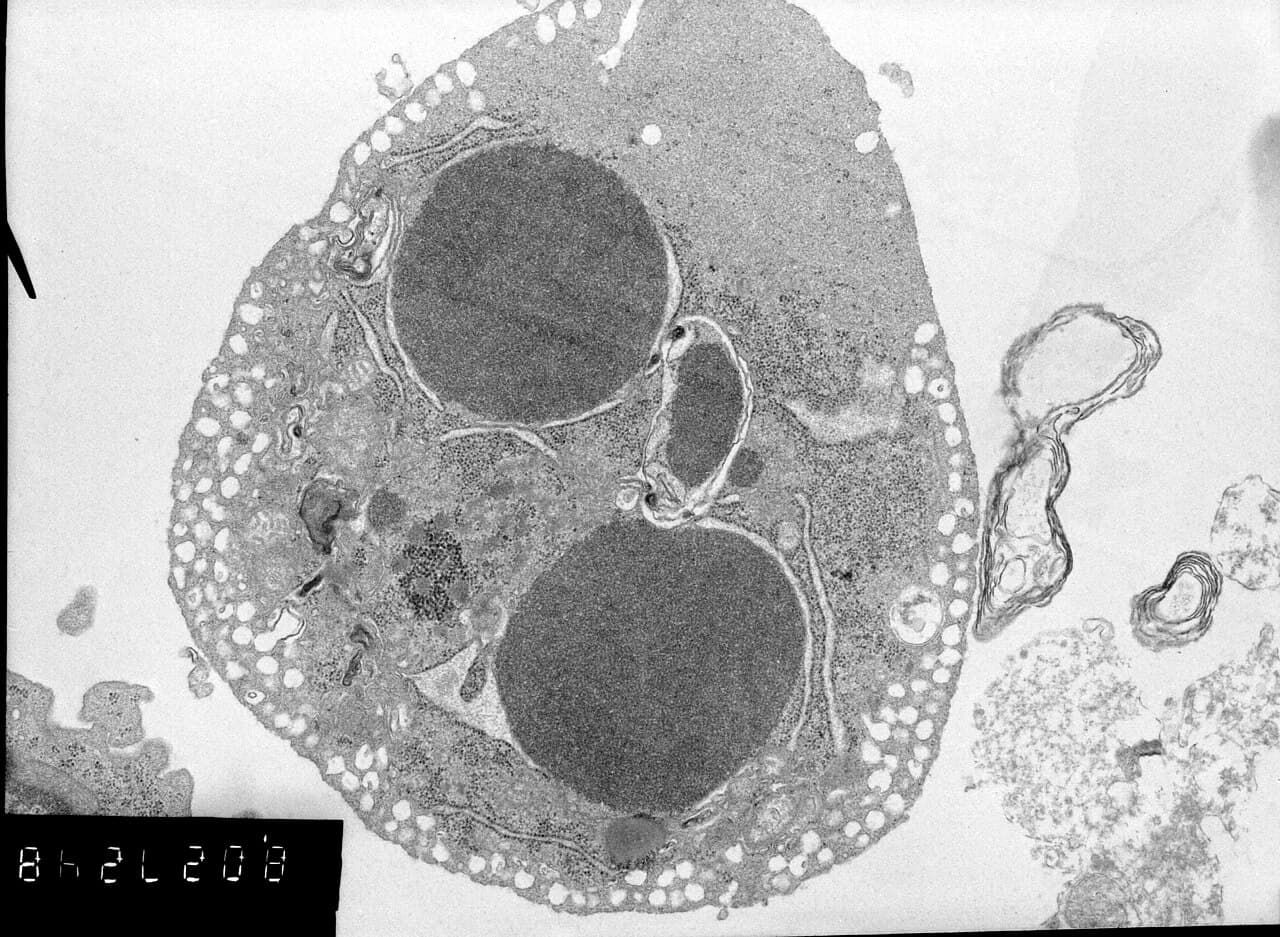
By examining autopsy results from both zoo environments and natural habitats, researchers confirmed that elephants defy the expected cancer rates for their size and longevity. This finding aligns with the predictions of Peto's paradox, suggesting that elephants, like other large mammals, have evolved specific mechanisms to counter the cancer risk inherently linked to their size.
What the elephant genome contains
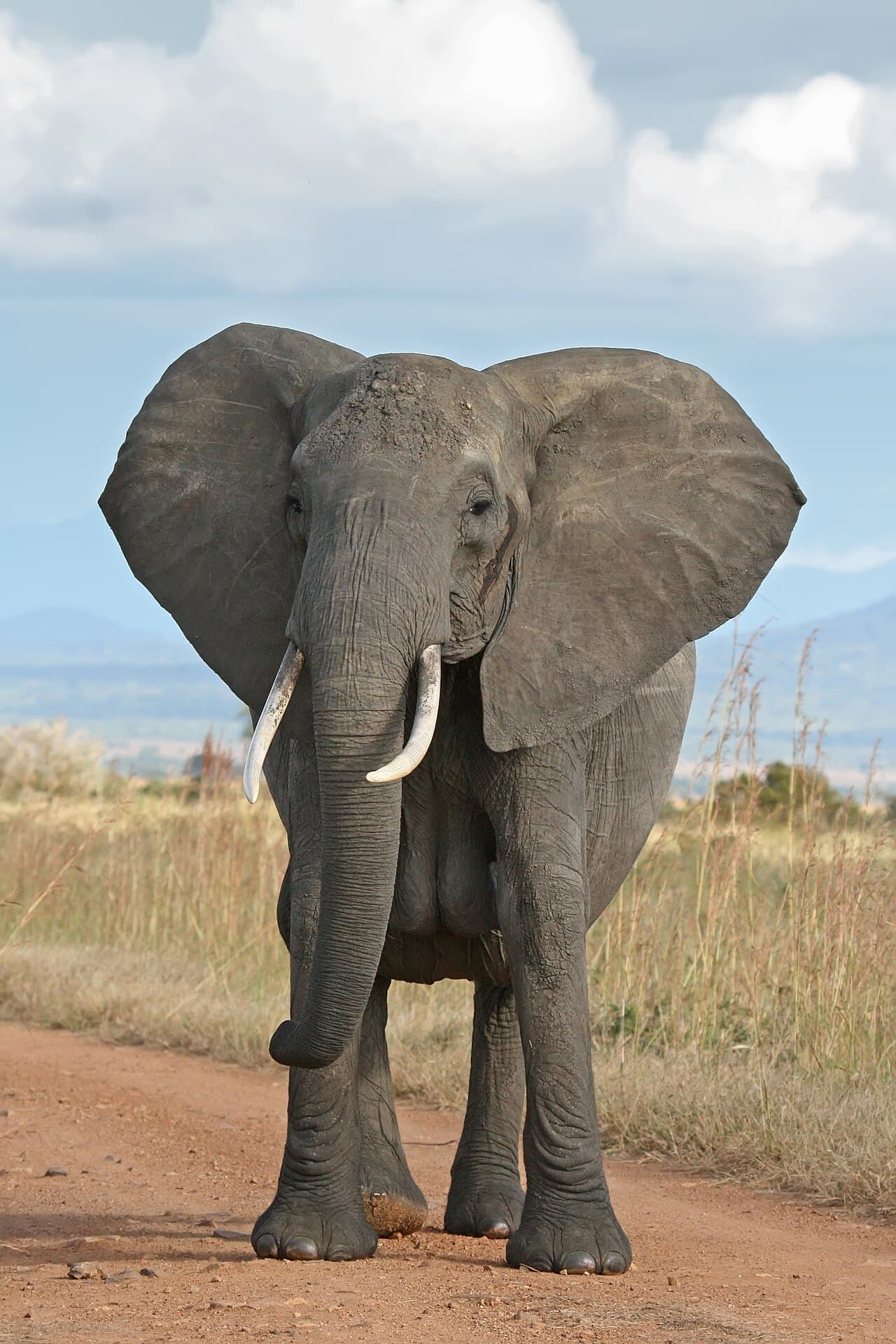
A significant factor in the elephant's cancer resistance lies within its genome, specifically in the abundance of the tumour-suppressor gene TP53. While humans possess a single functional copy of TP53, African elephants have twenty, and Asian elephants have around fifteen. TP53 encodes the protein p53, often referred to as the 'guardian of the genome'. This protein plays a crucial role in detecting DNA damage, initiating repair, or triggering cell death if the damage is irreparable.
The multiple copies of TP53 in elephants appear to have arisen from gene duplications that occurred across their evolutionary history, possibly over tens of millions of years. These additional copies provide a robust mechanism for safeguarding the integrity of the genome, allowing elephants to maintain cellular health despite their large body size and extended lifespan.
Apoptosis instead of repair
The increased dosage of TP53 in elephants results in a strategic shift in how cells respond to DNA damage. While humans often rely on the repair of damaged DNA, elephants have evolved to favour apoptosis, or programmed cell death, over repair. This conservative strategy involves sacrificing potentially viable cells to ensure that no damaged cells are allowed to proliferate, which could otherwise lead to cancer.
By prioritising apoptosis over repair, elephants effectively reduce the risk of cancer developing. The loss of some healthy cells is a small price to pay for the significant benefit of preventing the spread of potentially malignant ones. This approach highlights the evolutionary trade-offs that have equipped elephants with one of the most effective defences against cancer.
What this might mean for human medicine
The implications of these findings extend beyond understanding elephants; they present intriguing possibilities for human medicine. While the straightforward application of elephant genetics to humans is fraught with challenges, including safety concerns related to direct gene therapy with TP53 copies, there are promising avenues of exploration. Small molecules that can mimic the apoptosis-favouring response observed in elephants are being developed.
Peel Therapeutics, among other companies, is exploring these potential therapies, drawing inspiration from the TP53 findings in elephants. Although these efforts are still in the early stages of clinical trials, they represent a hopeful step towards harnessing nature's solutions to improve cancer treatment in humans. The translation of these evolutionary adaptations into medical interventions holds the promise of new strategies in cancer prevention and therapy.
The broader lesson to be drawn from Peto's paradox and the elephant's genetic makeup is the complexity of cancer as a disease. Cancer is not merely a single ailment but the breakdown of the cooperative agreement that exists within multicellular organisms, where cells are expected to cease functioning when necessary for the organism's overall health. The constant battle between cellular and organismal evolution has driven large, long-lived animals to develop remarkably effective contracts to mitigate cancer risk.
Elephants have provided a well-studied example of such an evolutionary strategy, but they are undoubtedly not alone. There are likely many other organisms, yet to be examined, that have evolved unique mechanisms for cancer resistance. As research continues, human medicine stands to gain from these natural solutions, potentially uncovering novel therapies inspired by the intricate dance between life and death within the cells of our planet's most enduring creatures.
References
- Peto, R. (1977). Epidemiology, multistage models, and short-term mutagenicity tests. In Origins of Human Cancer.
- Abegglen, L. M., Caulin, A. F., Chan, A., et al. [Schiffman lab] (2015). Potential mechanisms for cancer resistance in elephants and comparative cellular response to DNA damage in humans. JAMA, 314(17), 1850–1860.
- Caulin, A. F., & Maley, C. C. (2011). Peto's Paradox: evolution's prescription for cancer prevention. Trends in Ecology & Evolution, 26(4), 175–182.
- Sulak, M., et al. (2016). TP53 copy number expansion is associated with the evolution of increased body size and an enhanced DNA damage response in elephants. eLife.