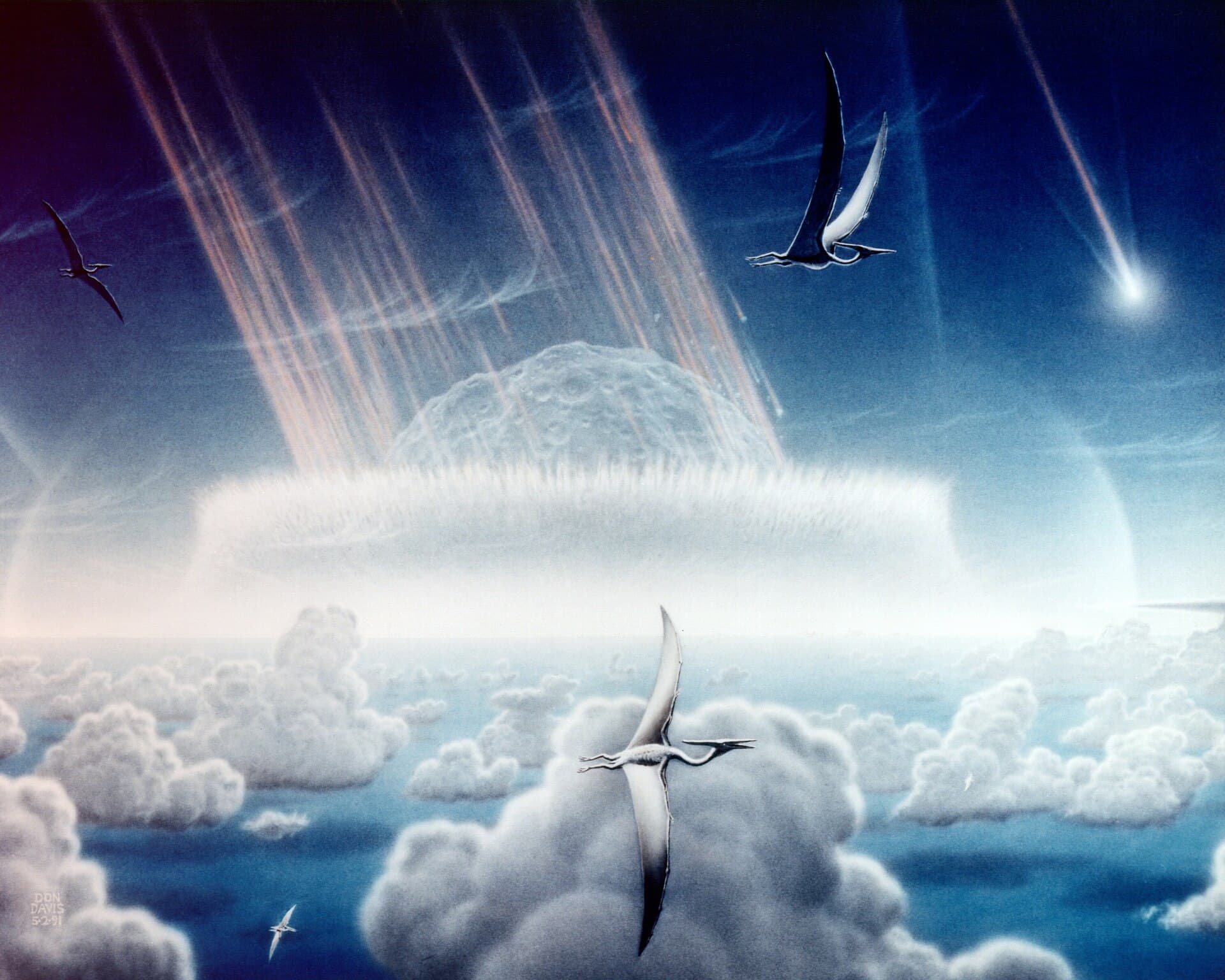
Sixty-six million years ago, a colossal asteroid—measuring roughly 10 to 15 kilometres in diameter—hurtled through space at a blistering 20 kilometres per second. Its path, an inexorable trajectory from the southeast, intersected with Earth’s atmosphere at exactly 14:43 UTC. The location: over the Yucatán Peninsula, in what is now modern-day Mexico. Argon-argon dating, a sophisticated method of radiometric dating, has pinpointed this cataclysmic event to the cusp of spring, 66.043 million years ago. The asteroid's composition, rich in iridium—a rare element on Earth but common in asteroids—definitively marks it as a stony asteroid rather than a comet. As it descended, it moved from the realm of the cosmic into the catastrophic, setting the stage for one of the most significant extinction events in Earth's history.
The first second
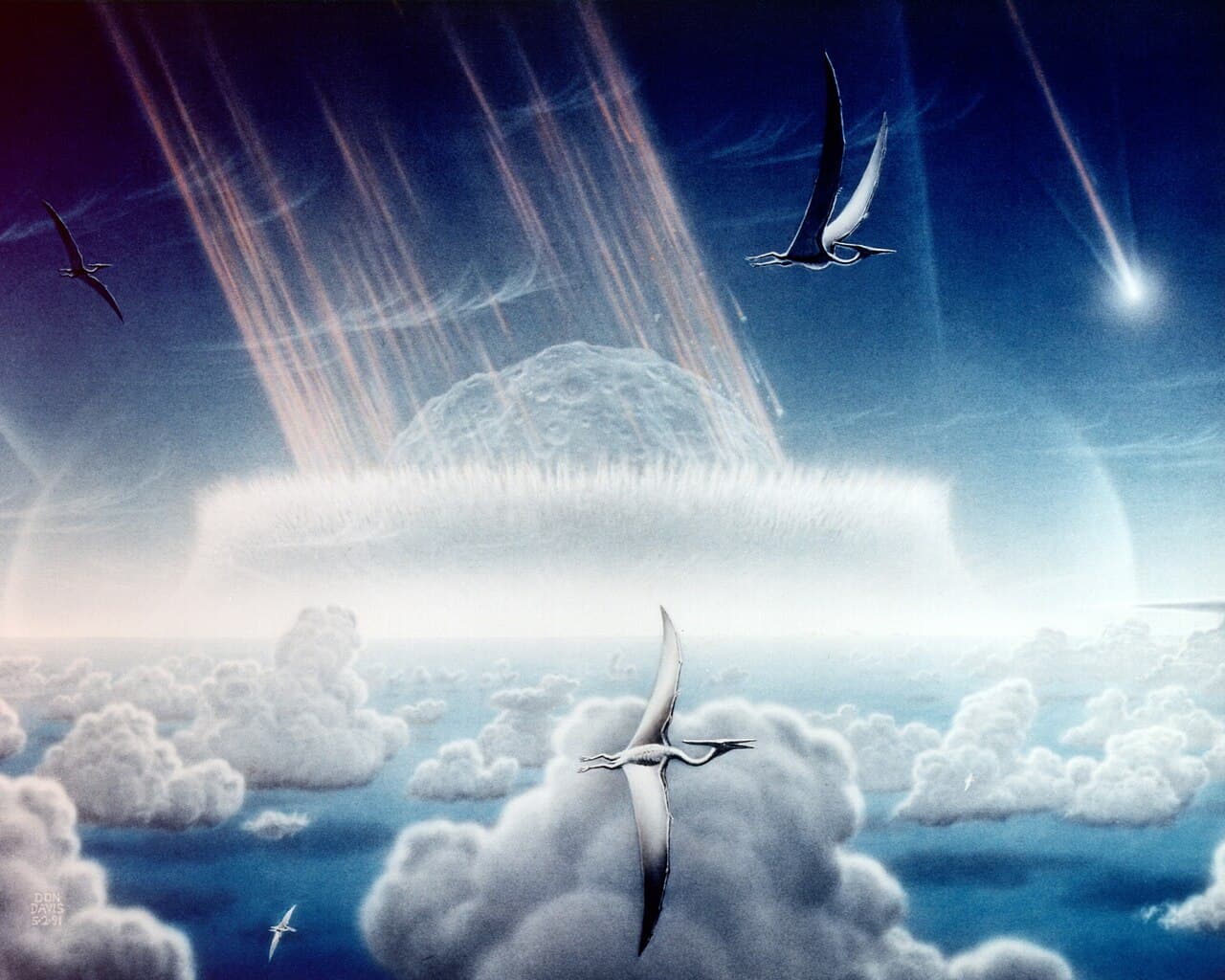
The asteroid's rapid journey through the atmosphere, lasting scarcely a second, unleashed a devastating shockwave. This wall of compressed air was so intense that it ignited forests well before the rock struck the ground. When the asteroid finally made contact, it collided with a shallow tropical sea approximately a kilometre deep. The sheer kinetic energy of the impact was staggering—equivalent to 100 million megatons of TNT, or roughly 10 billion times the energy released by the bomb dropped on Hiroshima. This unimaginable force vaporised water and rock upon impact, forever altering the planet's landscape and climate.
The crater
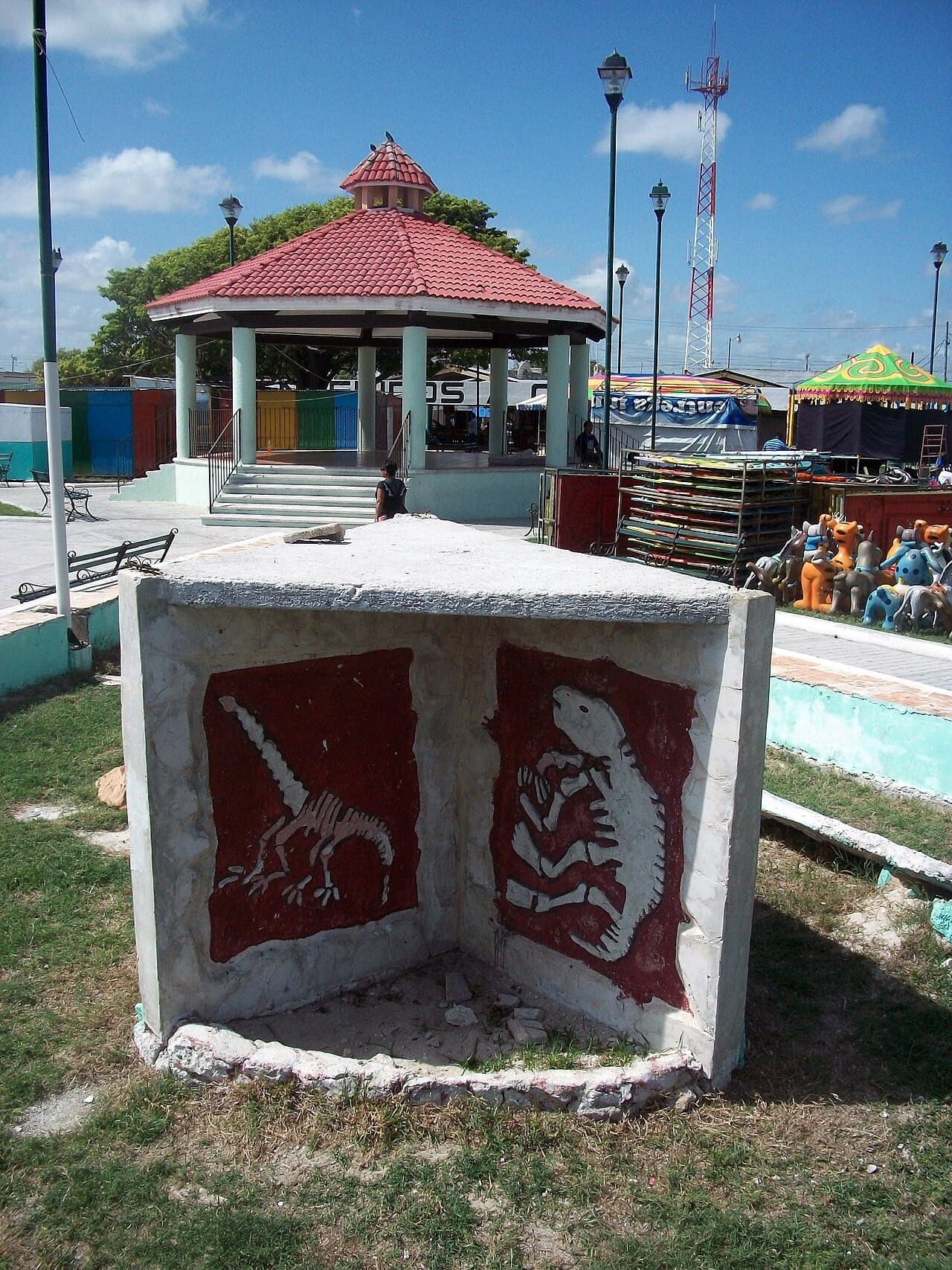
The immediate aftermath of the impact was the formation of the Chicxulub crater. This colossal geological structure spans approximately 180 kilometres in diameter. Within the centre of the crater, a peak ring of mountains quickly rebounded from the depths of the Earth's crust, forming mere minutes after the impact. In 2016, the IODP-ICDP Expedition 364 embarked on a mission to drill into this peak ring, successfully retrieving cores that have been instrumental in advancing our understanding of this ancient event. Although the crater itself is now buried beneath layers of younger sediment, it is still perceptible in gravity-anomaly maps, testifying to the asteroid's immense impact.
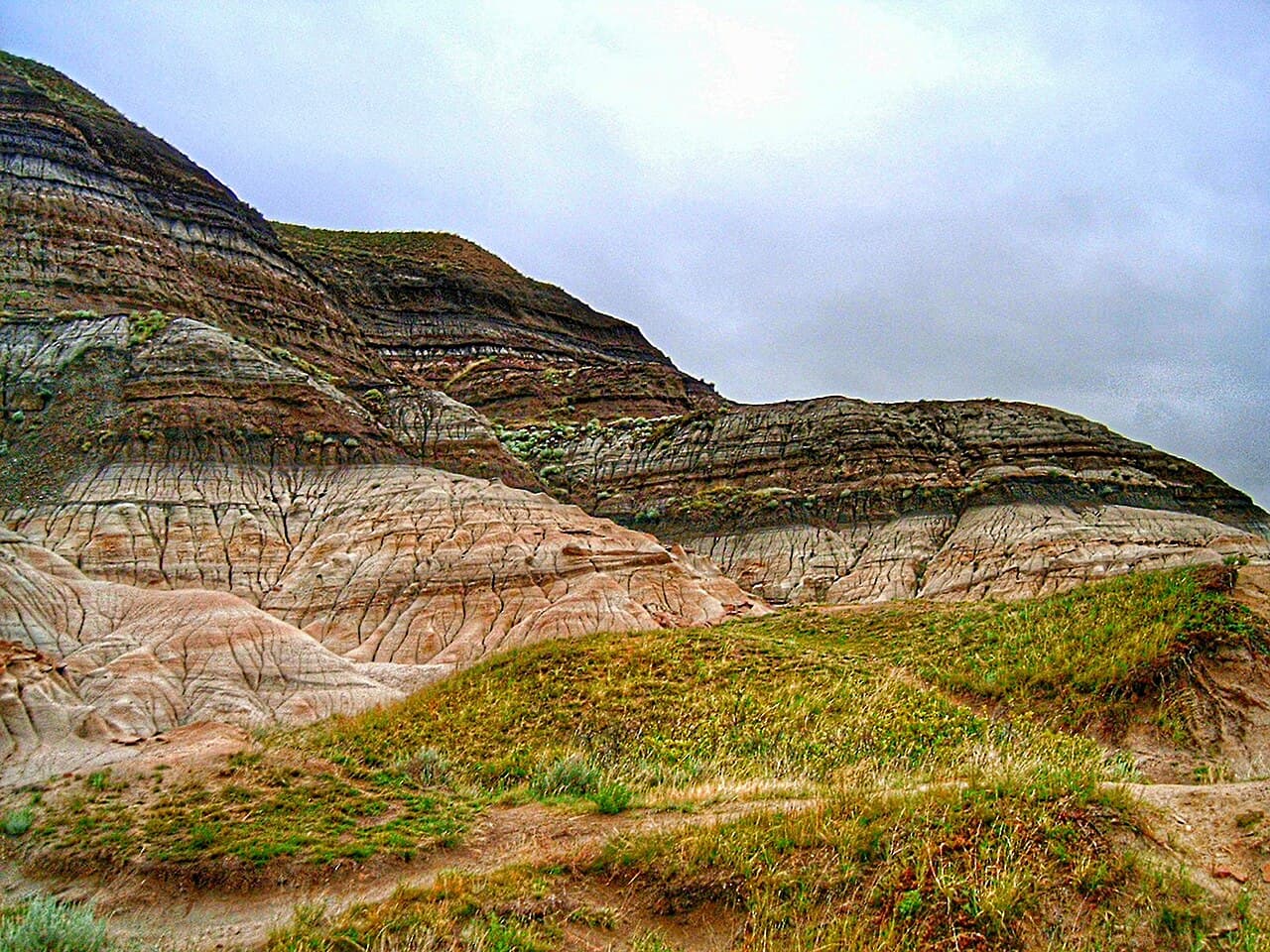
The drill cores extracted from this expedition reveal a sequence that begins with shocked granite, followed by layers of impact melt, and topped with deposits laid down in the immediate aftermath. These geological records provide a clear narrative of the event, reflecting the violence and speed with which the Earth was reshaped. This geological storytelling is corroborated by works such as Schulte et al. (2010), which explore the magnitude of the asteroid's impact and its role in the Cretaceous-Paleogene extinction event.
The first hour
Within seconds, the impact generated an immense fireball that vaporised rock and seawater, creating an ejecta plume that extended into space within minutes. The material, much of it molten, was launched on ballistic trajectories that would soon re-enter the Earth's atmosphere. As this ejecta began to descend globally between 30 to 60 minutes post-impact, it resulted in what is known as the 'broiler effect'. This phenomenon, where re-entering debris heated the upper atmosphere to several hundred degrees, caused widespread ignition of forests across the continents. This cascade of fires forced survival into the realms of the underground, under water, or deep within burrows.
The first day
The asteroid struck a region rich in sulfates, vaporising these compounds and dispersing them into the stratosphere. The resultant sulfate aerosols, although initially overshadowed by the dust, became the primary drivers of a prolonged climatic collapse. These aerosols persisted in the atmosphere for years, reflecting sunlight and cooling the Earth significantly. Meanwhile, the dust and debris settled relatively quickly, forming a thin global layer that marks the Cretaceous-Paleogene boundary. Within this layer, Walter and Luis Alvarez first identified an iridium spike in 1980, providing the crucial evidence that linked this extinction event to an extraterrestrial impact.
The next years
In the months following the impact, sunlight was obstructed, causing a dramatic 90% decrease in light levels at Earth's surface. This darkness effectively halted photosynthesis, disrupting both terrestrial and marine ecosystems. The collapse of the photosynthetic base of the food web led to a domino effect, decimating herbivores and, subsequently, the predators that relied on them. By this time, the majority of non-avian dinosaurs had perished. However, the Earth began a slow recovery; plants capable of regenerating from seeds or root systems gradually resurfaced, and a 'fern spike' dominated the landscape for thousands of years as recorded in post-impact pollen records.
Larger animals faced a more arduous path to recovery, but life on Earth endured. Plants adapted to the changed conditions first, setting the stage for the resurgence of animal life. This period of ecological upheaval set the stage for evolutionary opportunities that would lead to new forms of life in the millennia to come.
What survived
Despite the catastrophic conditions, certain groups of organisms managed to survive. Among these were the avian dinosaurs—modern birds—whose numbers were sufficient to repopulate the planet. Early mammals, mostly small and burrowing creatures resembling shrews, also managed to persist. This event would later be recognised as a critical juncture, sparking the mammalian radiation that led to the vast diversity of species, including bats and whales, that exist today. Crocodilians, snakes, lizards, freshwater turtles, and various fish lineages also withstood the extinction event, showcasing a resilience that would allow them to thrive in the post-impact world.
Conversely, the non-avian dinosaurs, pterosaurs, and marine reptiles like mosasaurs and plesiosaurs were not as fortunate and vanished in the wake of the impact. The extinction of these dominant groups left ecological niches unoccupied, paving the way for new species to evolve and diversify. The trilobites, however, had been extinct for over 200 million years by this point, unrelated to the impact’s direct consequences.
Recent studies, notably by Robert DePalma, have brought even greater precision to our understanding of this ancient catastrophe. At the Tanis site in North Dakota, fossil evidence including fish gill arches containing impact spherules suggest the impact occurred in late spring or early summer in the northern hemisphere. The ability to date such an event, millions of years in the past, to a specific season is a testament to the remarkable advances in the field of paleontology and the meticulous nature of geological studies. As the narrative of Earth's history unfolds, it becomes clear that even events that predate humanity by tens of millions of years can be reconstructed with incredible detail and accuracy.
References
- Alvarez, L. W., Alvarez, W., Asaro, F., & Michel, H. V. (1980). Extraterrestrial cause for the Cretaceous-Tertiary extinction. Science, 208(4448), 1095–1108.
- Schulte, P., et al. (2010). The Chicxulub asteroid impact and mass extinction at the Cretaceous-Paleogene boundary. Science, 327(5970), 1214–1218.
- Morgan, J. V., Bralower, T. J., Brugger, J., & Wünnemann, K. (2022). The Chicxulub impact and its environmental consequences. Nature Reviews Earth & Environment, 3, 338–354.
- DePalma, R. A., et al. (2019). A seismically induced onshore surge deposit at the KPg boundary, North Dakota. PNAS, 116(17), 8190–8199.